Author name: support

indoor air formaldehyde testing nyc

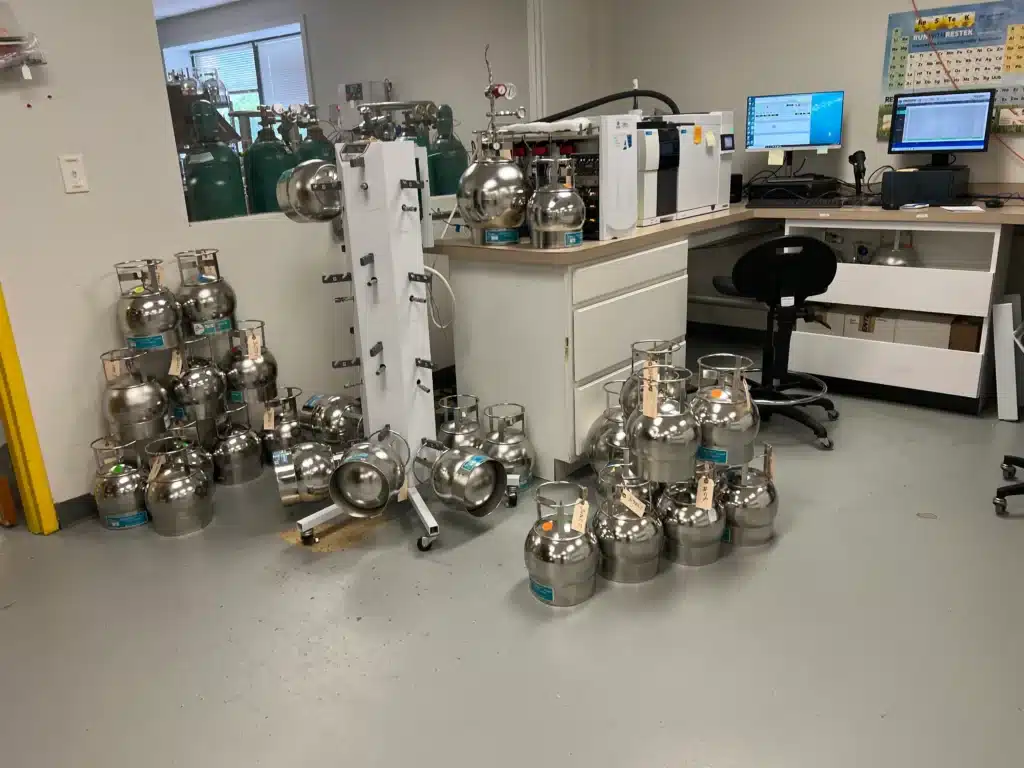
Formaldehyde in Indoor Air and the Importance of Professional Testing

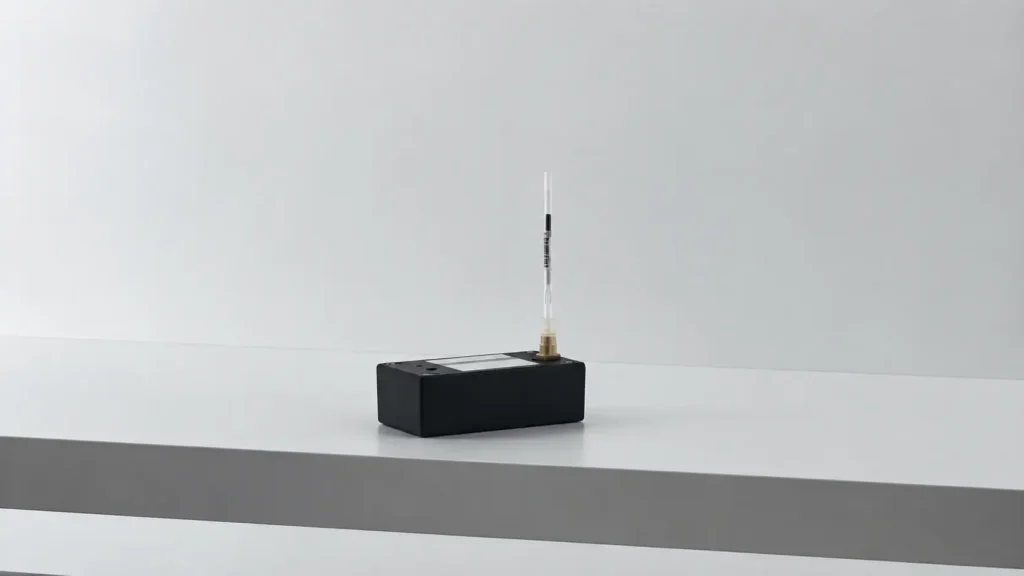
Formaldehyde is a colorless chemical released by composite wood, cabinetry, flooring, adhesives, and paints through off-gassing. It can irritate eyes, nose, throat, and airways, and is classified as a human carcinogen. Because odor doesn’t indicate concentration, professional formaldehyde testing and air sampling with laboratory analysis is the only way to measure actual levels. Formaldehyde in […]

Formaldehyde in Indoor Air and the Importance of Professional Testing Read More »

Mycotoxin Testing

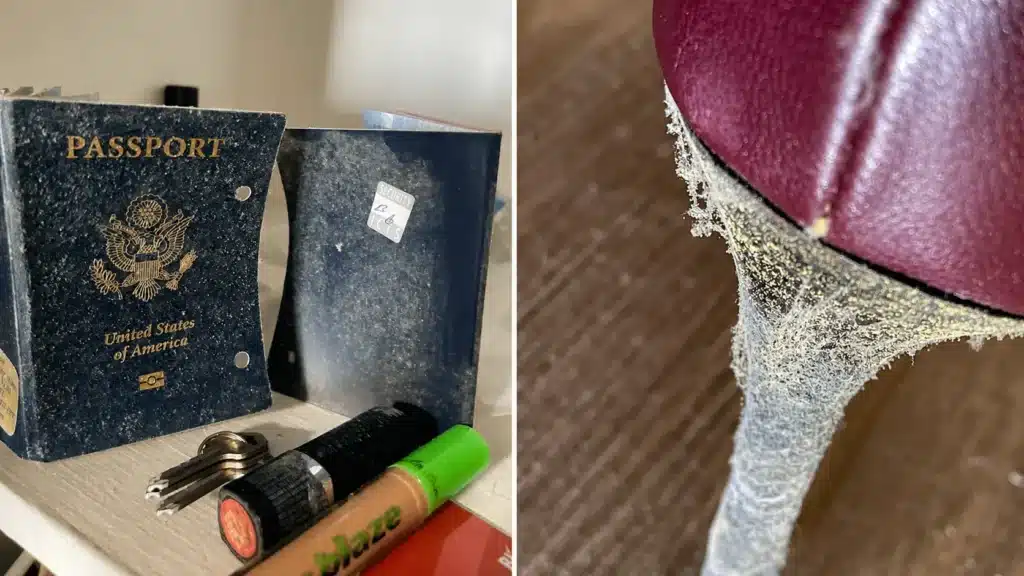
Mycotoxin Testing: Understanding the Importance of Professional Environmental Testing

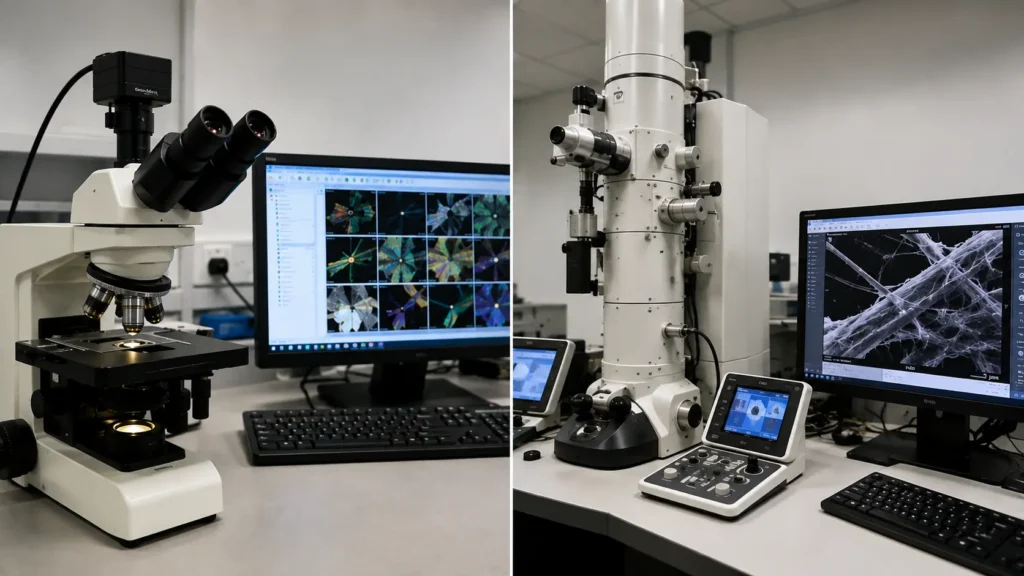
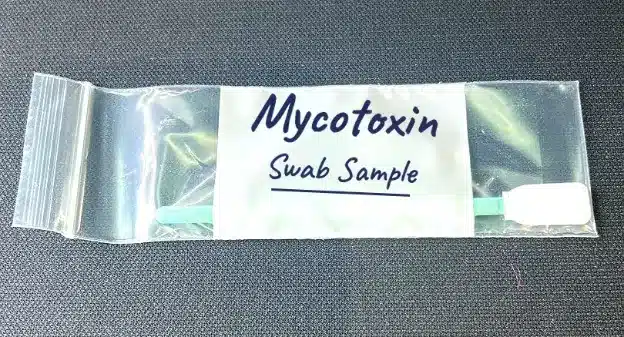
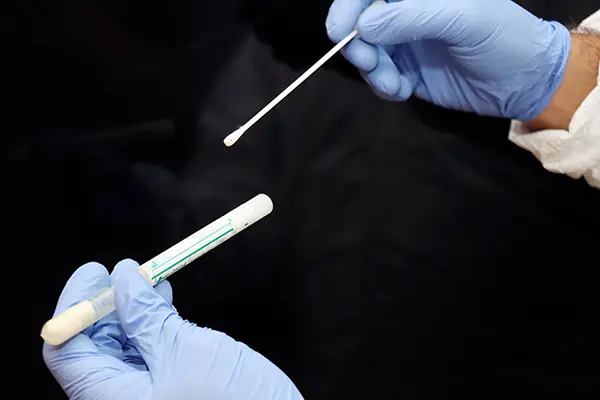
Mycotoxin testing is a laboratory analysis that detects toxic compounds: including aflatoxin, ochratoxin A, trichothecenes, and gliotoxin produced by molds such as Stachybotrys chartarum, Aspergillus, Penicillium, and Fusarium. A qualified inspector collects settled dust, air, surface, or bulk samples from the property, and an accredited laboratory analyzes them using methods such as LC-MS/MS. Results are

Mycotoxin Testing: Understanding the Importance of Professional Environmental Testing Read More »

ACP5 Asbestos Inspection

What Is an ACP5 Inspection and Why Does NYC Require It?

An ACP5 asbestos inspection is a survey performed by a DEP-certified Asbestos Investigator, resulting in the Asbestos Assessment Report (Form ACP5) filed with NYC DEP for a $47 fee. NYC requires it because the Department of Buildings will not issue permits for work disturbing materials in pre-April 1987 buildings without a valid ACP5 control number.

What Is an ACP5 Inspection and Why Does NYC Require It? Read More »

Air Sampling vs Surface Sampling for Mold

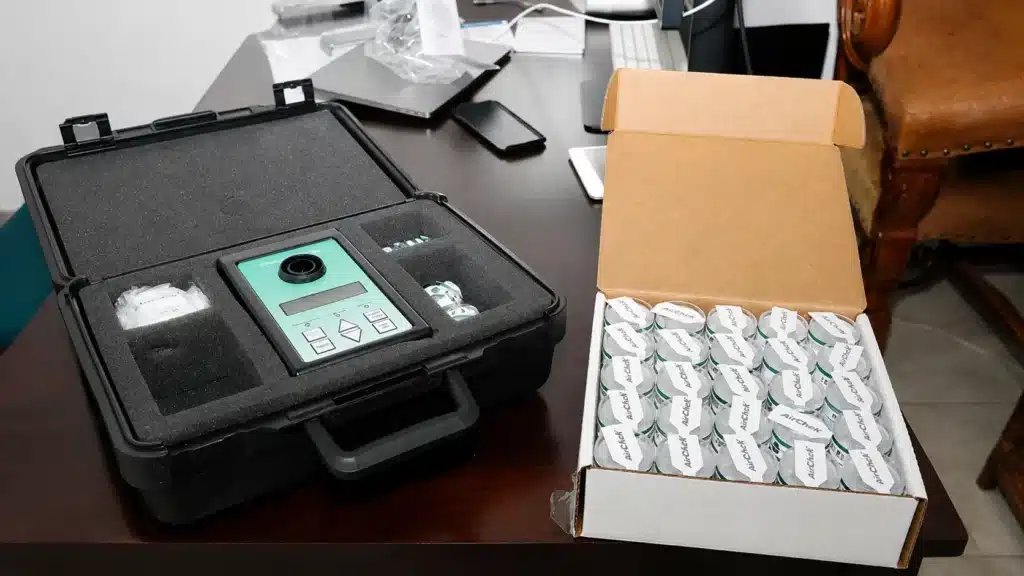
Air Sampling vs Surface Sampling for Mold: Which Test Is More Accurate?

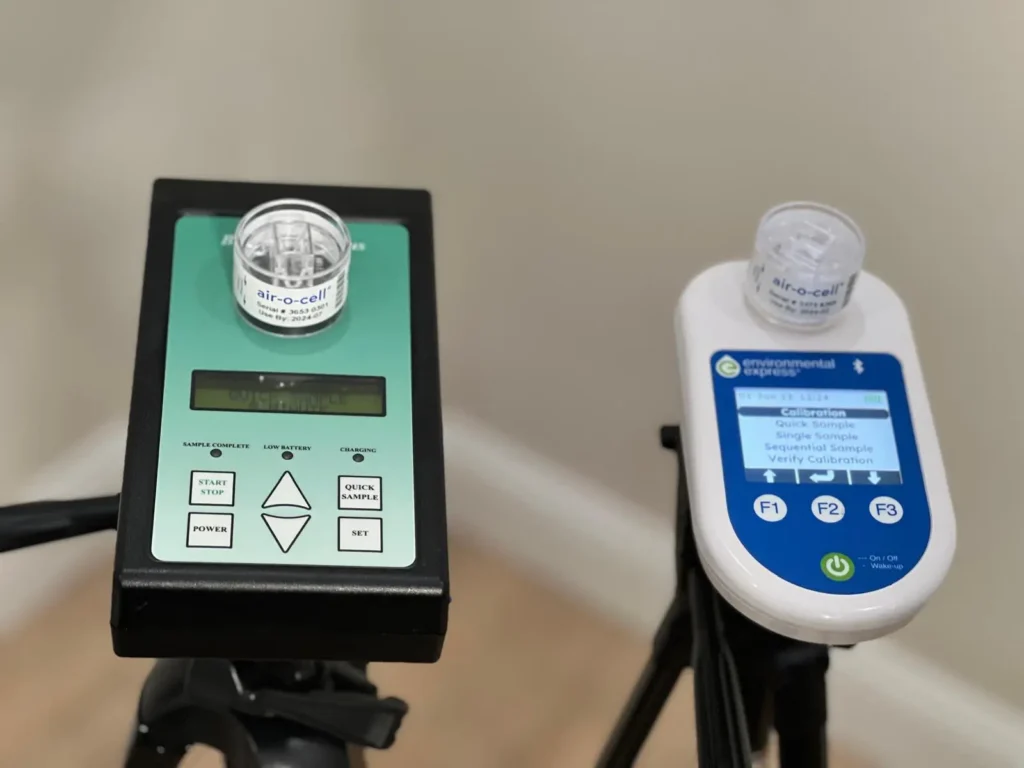
Mold contamination inside homes and commercial buildings in the Long Island is often misunderstood because testing methods are frequently used without clear context. Two of the most common methods are air sampling and surface sampling for mold, yet they serve very different purposes and answer different questions. Understanding how each method works is essential before

Air Sampling vs Surface Sampling for Mold: Which Test Is More Accurate? Read More »

mold repairs nj

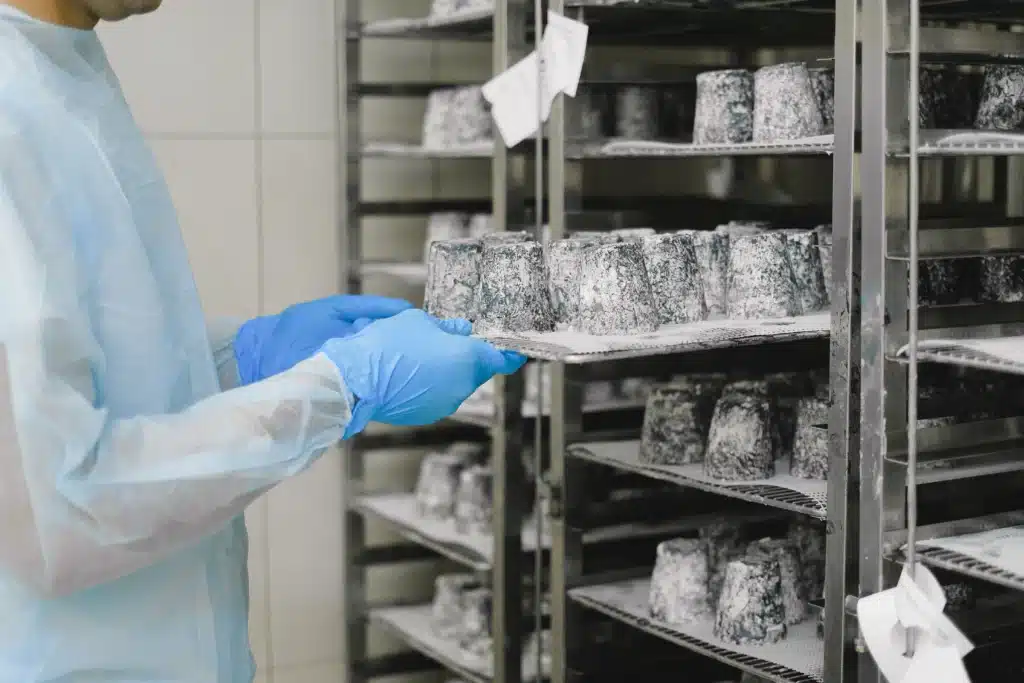
Why Cheap Mold Repairs Cost Landlords More in the Long Run

Mold is a common problem in rental properties, especially in older buildings. When mold appears, some landlords choose the quickest and cheapest solution available. Many property owners cut corners in order to save money right away or prevent upsetting tenants. They concentrate on making the mold less noticeable rather than figuring out the cause of

Why Cheap Mold Repairs Cost Landlords More in the Long Run Read More »

Mold inspection after remediation in Long Island

Mold Inspection After Remediation: Do You Need a Clearance Test?

In most cases, yes. A clearance test after mold remediation, also called post-remediation verification (PRV), provides objective proof that the mold was properly removed and the area is safe. It’s especially important for severe contamination, real estate sales, health concerns, or when you want documented evidence the job was done right. Many property owners assume

Mold Inspection After Remediation: Do You Need a Clearance Test? Read More »

Asbestos Testing in New York

What Are the Signs That a Home Might Need Asbestos Testing?

Asbestos was once widely used in residential construction due to its durability and heat resistance. However, it is now known to pose serious health risks when disturbed. Many older properties still contain asbestos materials, which makes early identification essential. If you own or are planning to buy an older property, recognizing the warning signs can

What Are the Signs That a Home Might Need Asbestos Testing? Read More »