Surface Sampling for Mold in Long Island
Surface sampling for mold is a lab-confirmed test in which a certified inspector collects a tape-lift or swab sample from an affected surface to identify the type and extent of mold growth. As a family-owned company serving Long Island and all five boroughs, Quest Testing uses a certified independent lab and never performs remediation, so the results you receive are accurate, unbiased, and yours alone.
How Surface Sampling Detects Hidden Mold on Your Property
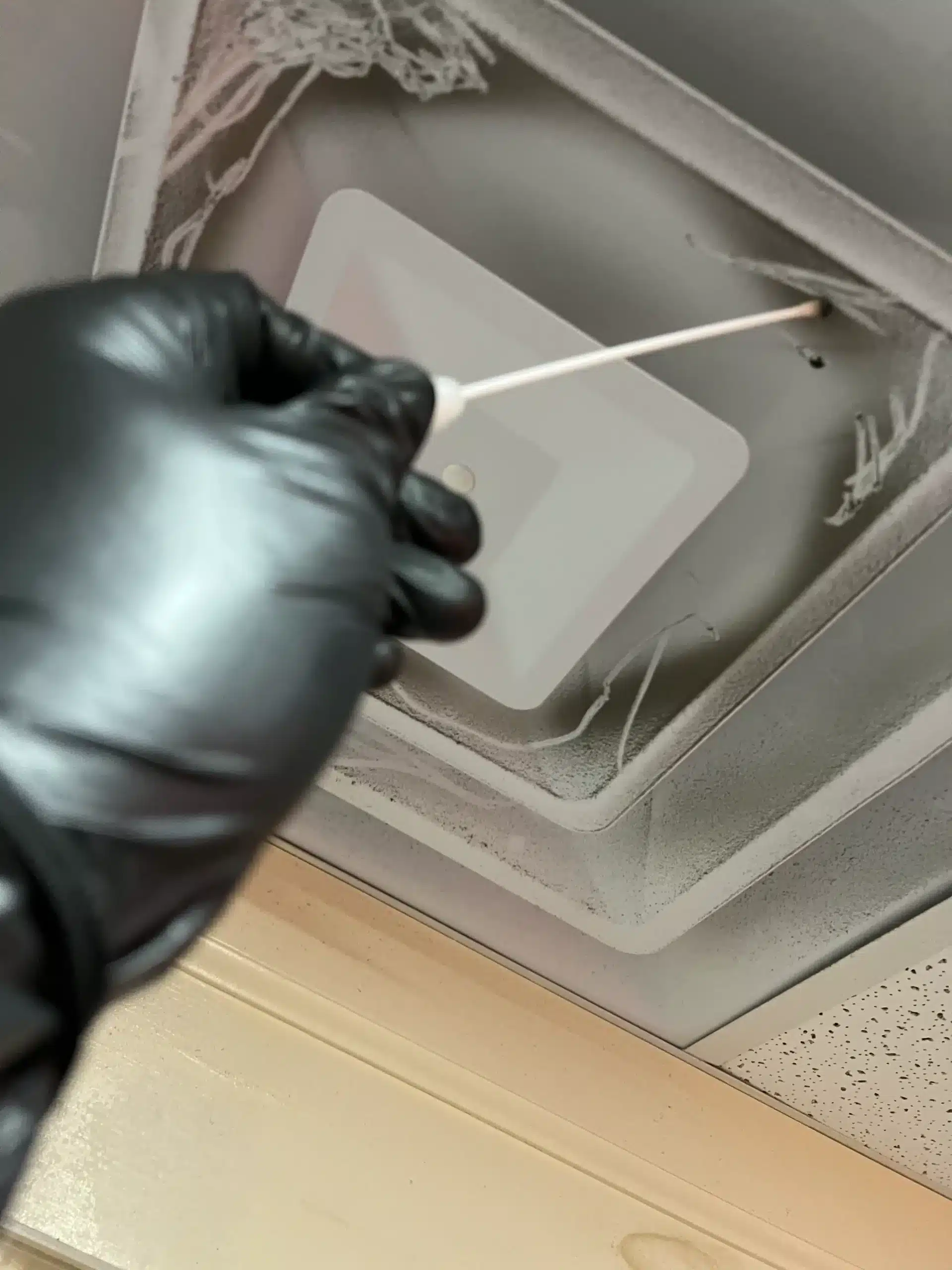
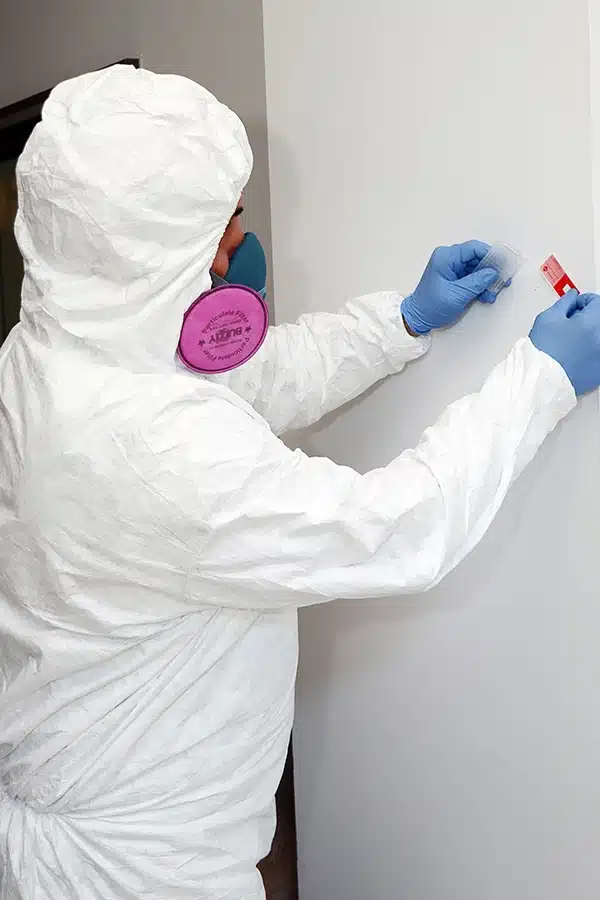
Surface sampling for mold involves collecting material from a visible stain or suspicious patch for laboratory testing. The sample may be obtained via a swab, tape lift, or a small piece of drywall, carpet, or insulation. Once sealed and sent to a lab, the sample is examined under a microscope to identify fungal spores and mold structures that are invisible to the naked eye.
The lab report identifies the mold species and determines if the sample contains active mold growth or a harmless stain from dirt, soot, or old residue. Different mold types require different cleanup methods. Some common molds can be cleaned after fixing the moisture source, while toxigenic molds like Stachybotrys may require professional containment and removal. Accurate lab results help avoid unnecessary remediation and prevent hidden mold from spreading.
Call Quest Mold and Asbestos Testing to schedule a surface sampling for mold in Long Island with our EPA-certified team.


When to Schedule Surface Sampling for Mold in Long Island?
Surface sampling provides lab results that identify the mold type and guide the next steps. Mold Testing is especially useful when moisture problems, odors, or recurring stains suggest hidden contamination.
- Visible mold appears after leaks, floods, or pipe bursts.
- Stains reappear after repeated cleaning.
- Musty odors persist even without visible growth.
- A home inspection identifies possible mold issues.
- Allergy symptoms worsen in one area of the building.
- A basement or crawlspace remained wet for over 48 hours.
- Tenants or employees report concerns about indoor air.
- Remediation requires lab-confirmed mold identification.
Get a lab report identifying the mold species. Contact us today for professional surface sampling services throughout Nassau and Suffolk County.
- Residential Surface Sampling - A sterile swab or tape lift is used to collect spores from stained drywall, trim, or flooring inside a home for laboratory identification of the mold present.
- Commercial Surface Sampling- Surface samples from office walls, ceiling tiles, or carpet are sent to a microbiology lab to confirm microbial growth in workplace settings.
- Bulk Surface Sampling for Mold- A small section of affected drywall, insulation, or carpet is removed and sealed, allowing the lab to analyze deep-level contamination within the porous material.
- Mold Contamination Sampling -After a water loss, hidden fungal growth in wall cavities or under flooring is accessed and sampled to determine the extent of its spread.
- Mold Surface Swab Testing - A sterile swab is rubbed across a nonporous surface, such as tile or metal, to collect spores and hyphae for direct microscopic examination in the lab.
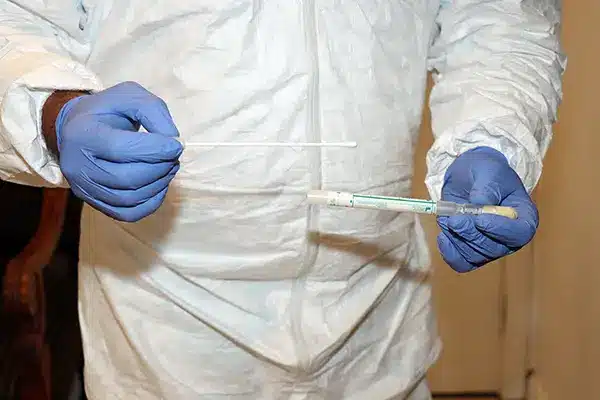
- Environmental Mold Sampling - Dust that settles on surfaces such as door frames, registers, and ceiling fans is collected to map spore fallout and pinpoint possible indoor air quality triggers.
Hidden moisture can spread and cause costly repairs. Our commercial and residential moisture leak detection services help you quickly find the source.
Complete Surface Mold Sampling Services We Offer
What Makes Surface Sampling Different from Air Sampling?
Surface sampling collects material directly from a visible stain, discoloration, or patch and sends it to a lab for mold identification. This test confirms if the spot is mold, identifies the species, and shows how deeply contamination has spread into the material. It gives clear answers when you see suspicious growth on drywall, carpet, insulation, or other surfaces.
Air sampling collects airborne spores from inside a room to assess indoor air quality. It can detect hidden mold that is releasing spores, even when no visible growth is present. However, air testing does not pinpoint the exact source, and spore levels can vary with airflow and activity. Surface sampling focuses on the visible problem area, while air sampling measures overall airborne contamination.
Call Quest Mold and Asbestos Testing to schedule surface mold sampling with someone familiar with Long Island moisture conditions.
Surface Sampling vs Visual Mold Inspection
A visual mold inspection is usually the first step when you notice stains, moisture, or possible mold growth. The inspector checks for water damage, warped materials, damp areas, and discoloration that may indicate mold. This helps narrow down the source. However, a visual inspection alone cannot confirm exactly what the stain is. Dirt, soot, old adhesive, and mineral buildup can all look like mold.
Surface sampling provides a clear answer by testing material taken directly from the affected area. A swab, tape lift, or small sample is sent to a lab to identify the mold type and confirm active growth. Testing can also reveal hidden contamination within walls or in damaged materials after leaks or flooding. A visual inspection identifies suspicious areas. Surface sampling confirms what is growing and the severity of the problem.
Call us to collect a surface sample from the affected area and receive a laboratory analysis that identifies the exact mold species.
Different Surface Sampling Methods to Detect Mold
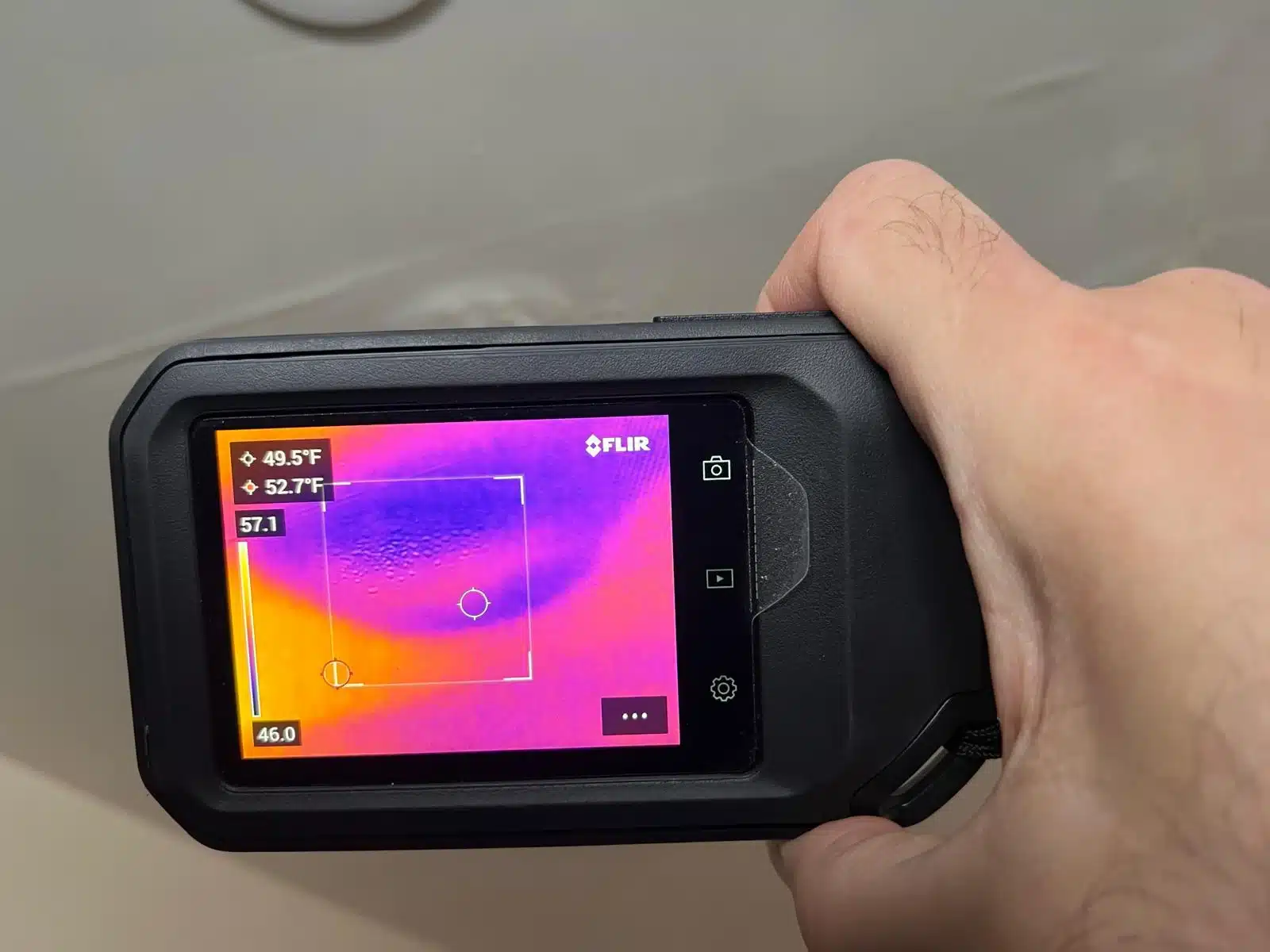
Several sampling methods collect material from visible mold for laboratory testing. The method depends on the surface and the level of contamination:
- Swab Sample: Collect spores from nonporous surfaces with a sterile swab.
- Tape Lift: Lift dry mold growth using clear adhesive tape.
- Bulk Sample: Cut out drywall, carpet, or insulation to test for deeper contamination.
- Wipe Sample: Collect spores and dust from large, flat surfaces.
- Contact Plate: Press a testing plate against a surface to grow and identify mold colonies.
- Swab and Bulk Combo: Test for both surface growth and deeper material contamination.
Don’t rely on a visual guess! Get a lab-verified answer about that stain with our surface sampling for mold in Long Island. Call for mold inspection today!
Step-by-Step Mold Surface Sampling Process
Our team uses a step-by-step process to collect uncontaminated samples and accurately identify mold. Here’s what we do:
- Check moisture readings and visible stains.
- Use a swab, a tape lift, or a cutting tool depending on the surface.
- Use sterile tools carefully to prevent contamination.
- Collect the sample and seal it immediately.
- Label the sample with the date and location.
- Send the sample to a certified lab.
- Have the lab analyze the sample to determine the mold type.
- Provide a report on mold types and findings.
Not sure whether a stain is mold? Schedule surface mold testing in Long Island, NY, and get clear answers from a certified team.
Risks of Delaying Mold Surface Sampling
Mold continuously releases spores and airborne compounds into the air, even when the affected area appears dry. Delaying surface sampling means people inside may continue to inhale those particles without knowing the source. Exposure can trigger allergies, asthma, coughing, headaches, and persistent sinus irritation. Some mold types pose more serious health risks, but you cannot identify them by appearance alone.
Mold continues to spread through damp materials such as drywall, wood, and insulation. What begins as a small, visible patch can go deeper into walls, ceilings, and hidden cavities due to leaks or moisture buildup. Waiting too long can turn a minor problem into a larger, more expensive repair. Early surface testing helps identify mold quickly and determine whether the area needs simple cleanup or professional remediation.
Protect your property and indoor air quality with a professional surface mold analysis and clear, lab-confirmed results.
High-Risk Areas for Mold Surface Testing
Mold grows in areas with persistent moisture or water damage. Surface samples are collected from these damp spots to identify what is growing and assess the severity of the contamination:
- Drywall around window frames and plumbing lines.
- Ceiling tiles stained by roof leaks or condensation.
- Basement walls after foundation seepage.
- Crawlspace wood in high-humidity conditions.
- Bathroom grout in showers with poor airflow.
- HVAC registers where condensation collects.
- Carpet and padding beneath wet areas.
- Attic sheathing under roof valleys and vents.
Concerned about hidden mold in any of these areas? Schedule a surface sample inspection before the damage spreads.
Why Trust Our Mold Surface Sampling in Long Island?
Certifications and local experience matter when a lab report determines your next step. Here’s why Quest Mold and Asbestos Testing stands out:
- IICRC Certified Firm
- CMI Certified Mold Inspector
- CMRC Certified Microbial Remediation Consultant
- EPA Certified Team
- Certified Micro Mold Inspector
- New York State Compliance
- Independent Accredited Lab Partner
- Fast Turnaround Lab Results
- Strict Chain of Custody Protocols
- Serving All of Long Island, New York
Call Quest Mold and Asbestos Testing to work with a certified surface sampling team that prioritizes laboratory accuracy above all else.
WHAT OUR CLIENTS SAY ABOUT US
Frequently Asked Questions
What is surface sampling for mold?
Surface sampling for mold is a testing method where a sample is lifted from a suspect surface by tape-lift, swab, or bulk material and analyzed in an accredited lab to confirm mold is present and identify the species.
How is surface mold sampling done?
A certified inspector presses adhesive tape (tape-lift) or rubs a swab across the affected surface to collect mold particles, then sends the sample to a lab to determine the type and concentration of mold.
When should I choose surface sampling instead of air sampling?
Choose surface sampling when you can see a dark patch, stain, or suspected growth and want to confirm exactly what it is; air sampling is used to detect hidden or airborne spores. Many inspections use both for a complete picture.
How much does surface sampling for mold cost?
Surface mold sampling typically costs about $50 to $300 per sample, depending on the method used and how many areas need to be tested.
How long does it take to get surface mold sample results?
On-site sample collection usually takes 1 to 2 hours, and lab results are typically ready within 24 to 48 hours, with expedited turnaround available when you need answers faster.