Silica Testing In Long Island
for Workplace Compliance and Safety
Silica dust is one of the most serious occupational health hazards in the United States, and most workers never know they are being exposed until damage is already done. We provide certified silica testing for workplaces, construction sites, and industrial environments with fast, accurate results.
What Is Silica Dust and Why Does It Demand Serious Attention?
Crystalline silica is a naturally occurring mineral found in rock, sand, soil, and many construction materials. Older construction sites may also contain asbestos in insulation and building materials, which carries similar airborne exposure risks.When these materials are cut, drilled, ground, or disturbed, microscopic silica particles become airborne. Those particles are invisible to the naked eye and odorless, but can cause serious health issues over time.
We provide expert silica testing in Long Island, which is the only reliable method for determining whether airborne silica concentrations in a workplace or environment exceed safe levels. Without testing, there is no objective way to assess worker exposure and no defense against regulatory liability.
Are you certain that silica levels in your Long Island workplace are within safe limits? Contact us today at Quest Mold and Asbestos Testing to schedule silica dust exposure testing.


Our Silica Testing Services in Long Island
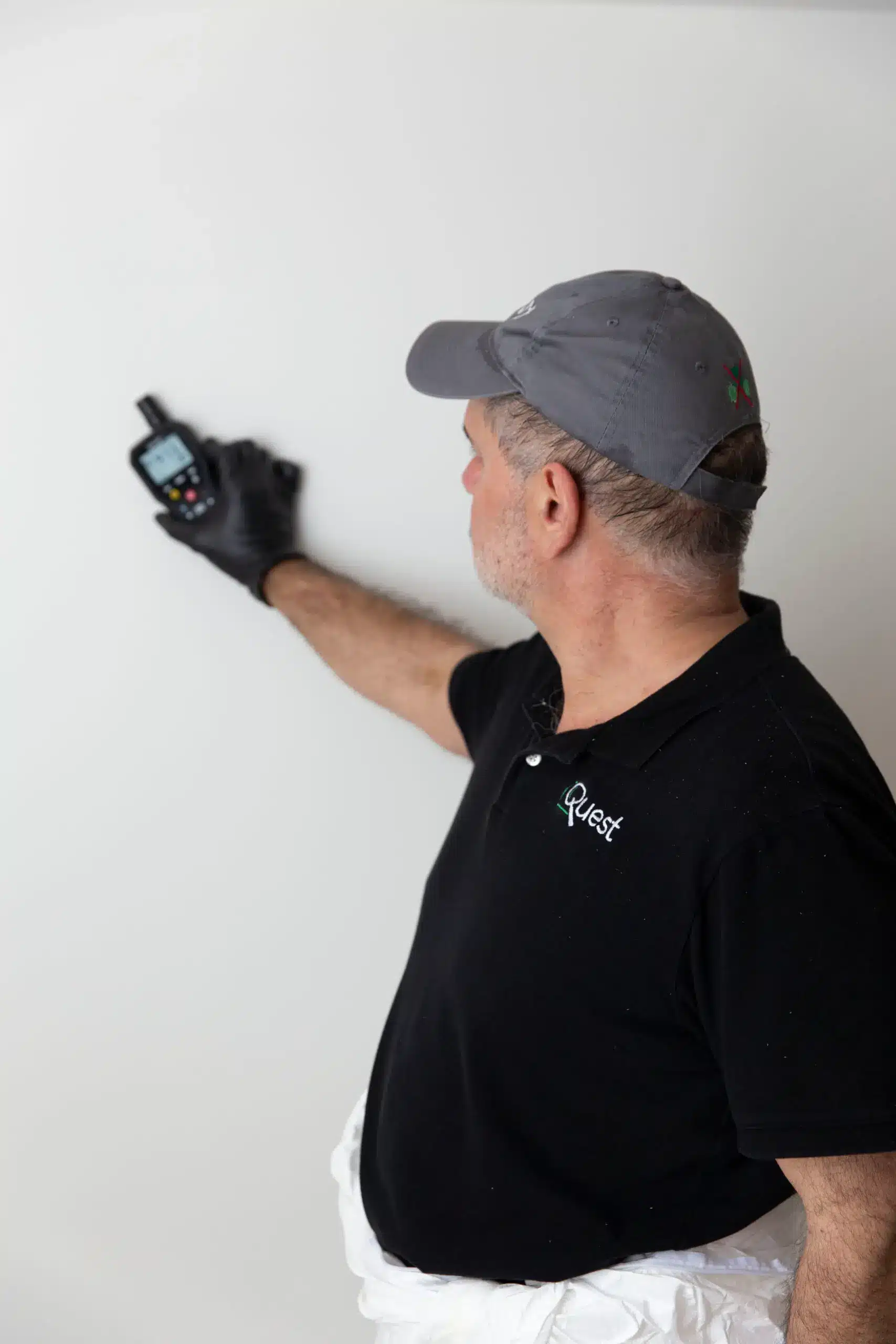
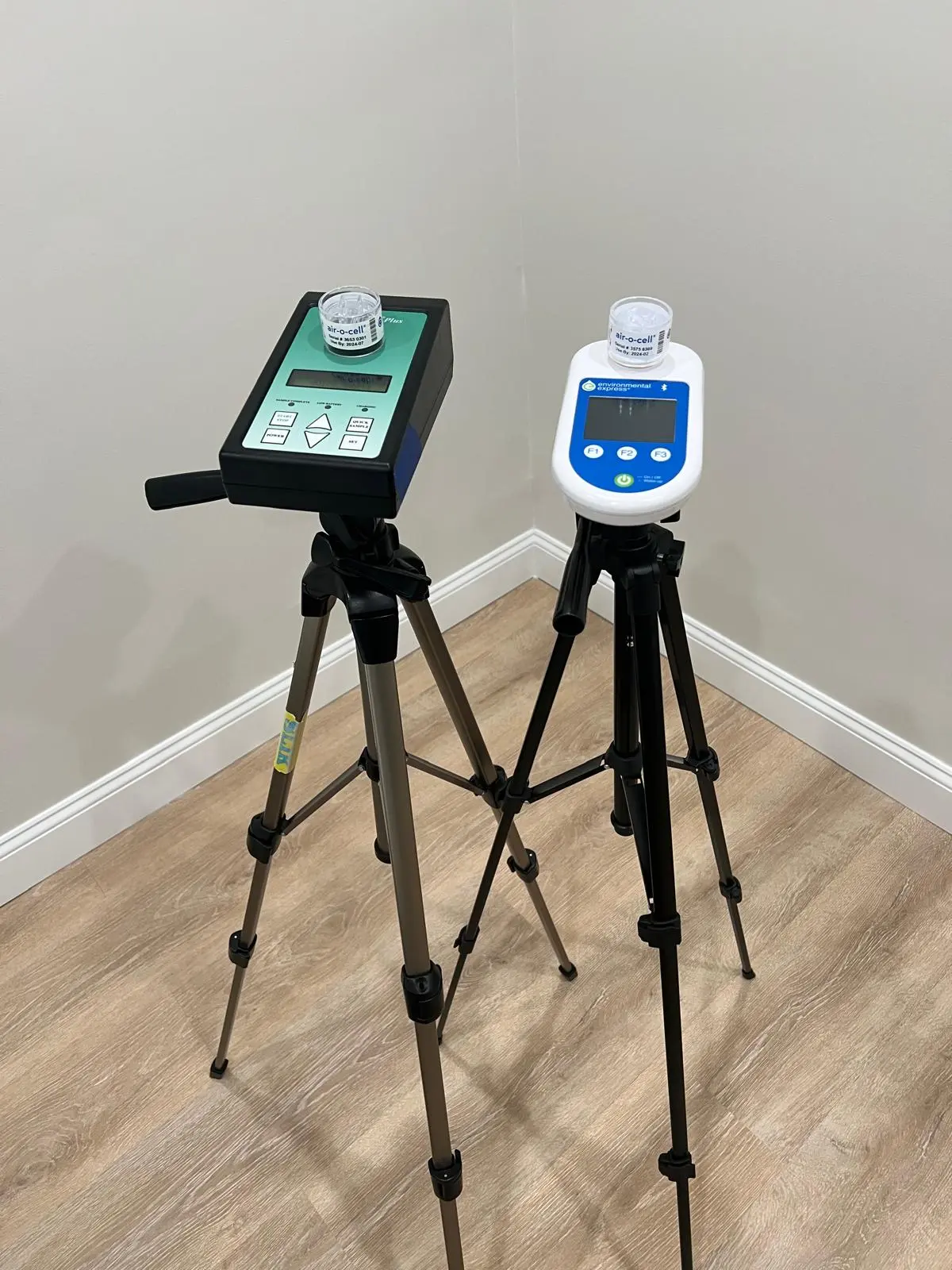
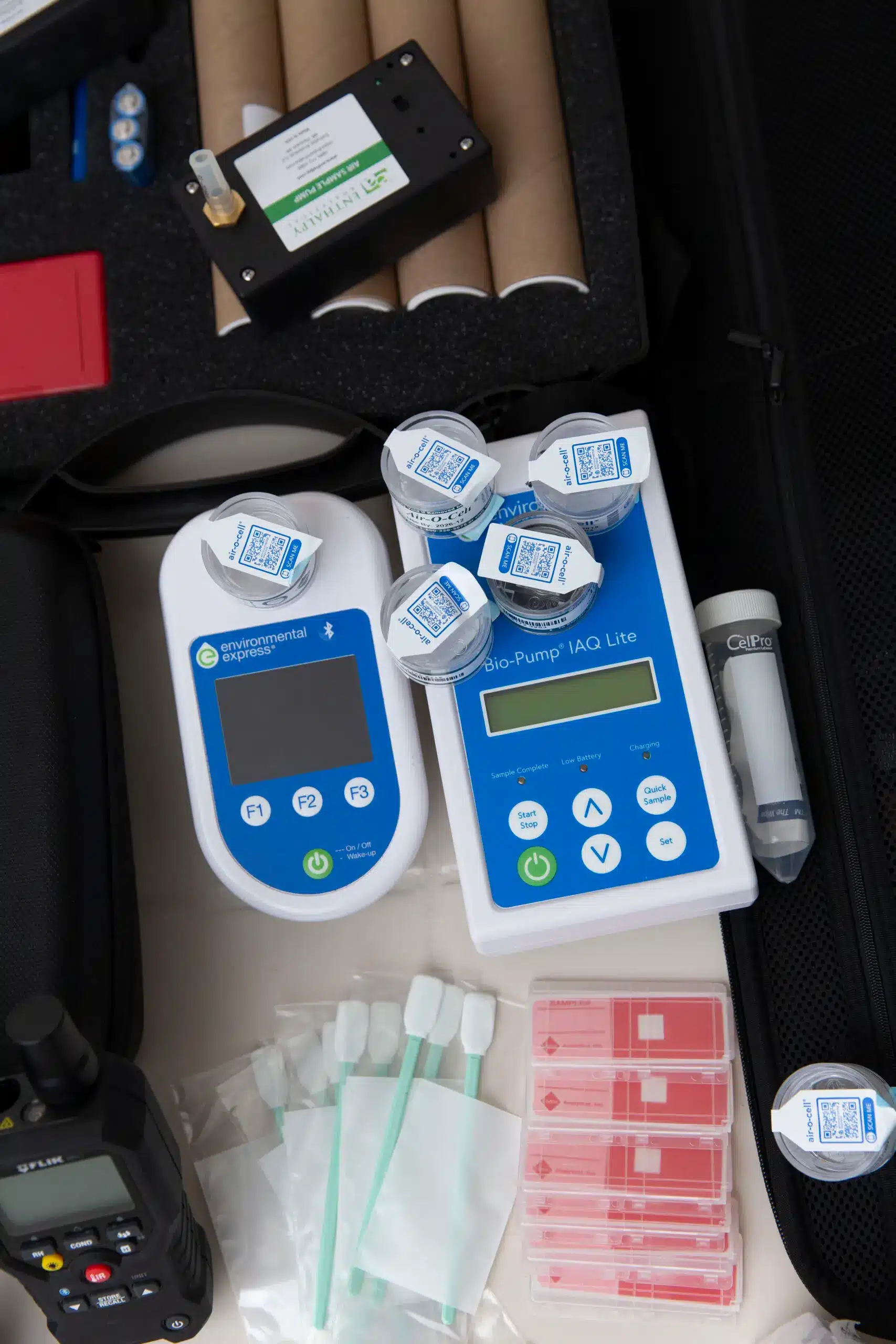
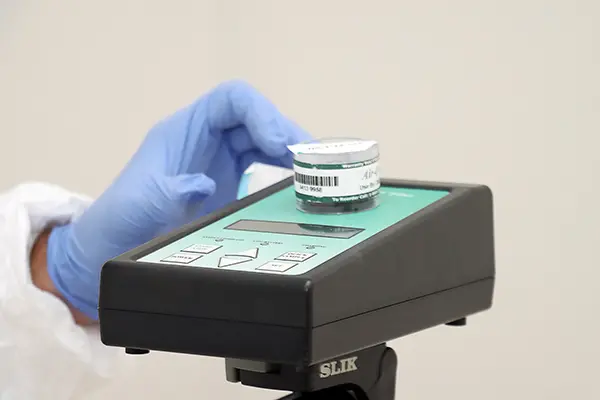
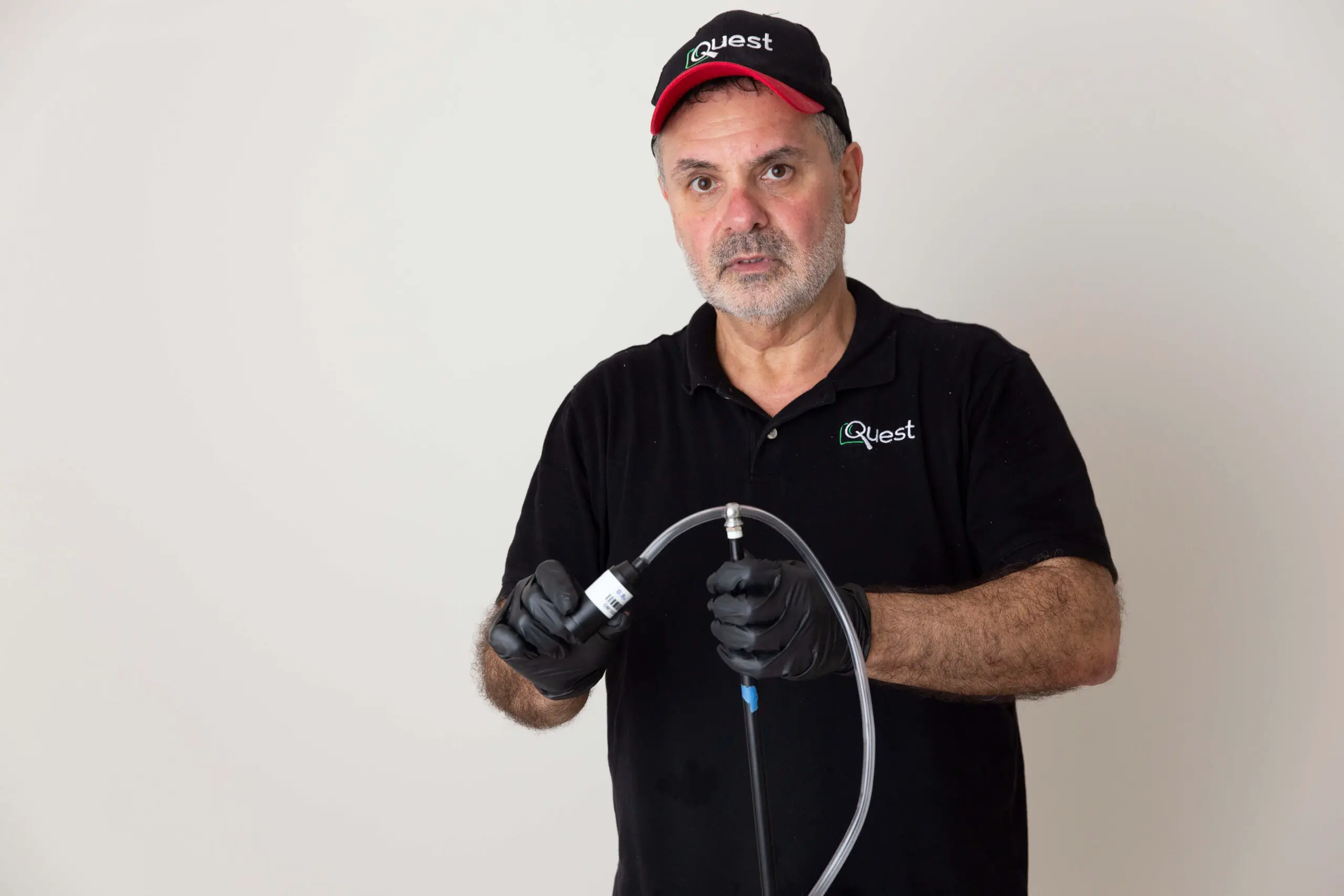
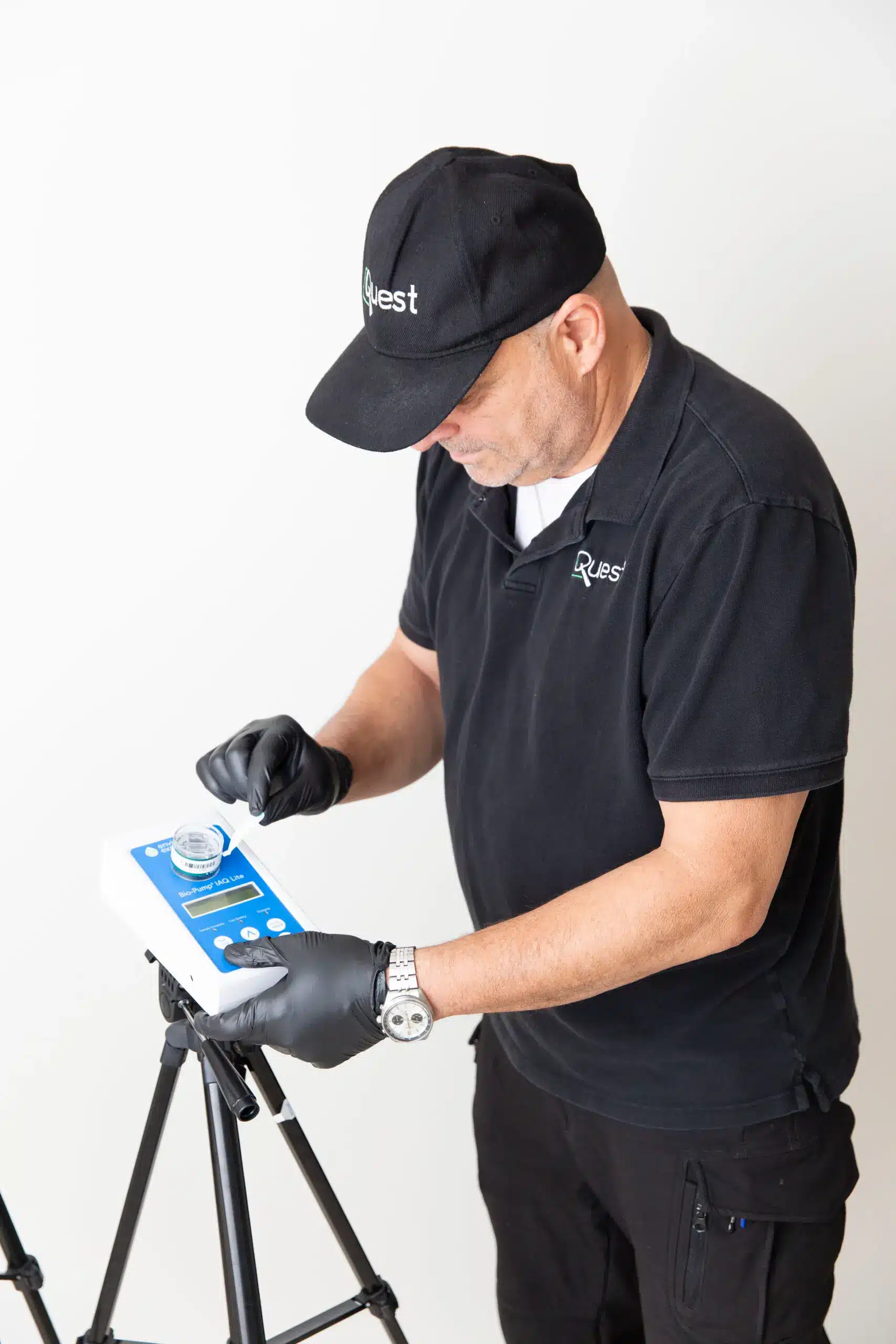
- Silica Air Testing - We assess the concentration of airborne silica particles in a workplace or construction site. Samples are obtained using air monitoring pumps worn by workers or placed in fixed locations throughout the workplace.
- Crystalline Silica Testing - We identify the specific mineral forms of silica present in collected samples. Each crystalline form has its unique toxicity profile. Quartz is the most prevalent mineral, but cristobalite and tridymite are also controlled.
- Silica Dust Testing - We assess dust collected from equipment or air samples in areas where dry cutting, grinding, or demolition takes place. This determines whether silica-containing dust has accumulated to a level that poses an inhalation risk to workers.
- Silica Water Test - A hatch silica test detects dissolved silica levels in water used in industrial processes, cooling systems, and boilers. This testing is typical in facilities where water quality has a direct impact on operational performance.
Not sure which type of silica testing your situation requires? Contact us today!
Independent Silica Testing in Long Island, NY
Get Unbiased, Lab-Verified Results!
The Three Types of Silicosis Every Long Island Employer and Worker Should Know
Silicosis is not a single disease with a predictable timeline. It presents in three distinct forms depending on exposure level and duration.
Chronic silicosis develops after ten or more years of exposure to lower concentrations of respirable crystalline silica. It is the most common form and the one most frequently diagnosed late because its progression is gradual.
Accelerated silicosis develops after five to ten years of exposure to higher silica concentrations. Symptoms progress faster than in the chronic form and can severely limit respiratory.
Acute silicosis is the most severe form and develops within weeks to five years of intense silica exposure. It causes rapid, severe lung inflammation and can be fatal within months of onset.
Contact us to discuss a silica air quality testing program for your property.
Common Work Activities Where Silica Exposure Happens Most Often
- Cutting or drilling concrete, brick, mortar, or stone releases high concentrations of respirable crystalline silica
- Sandblasting operations using silica-containing abrasive media generate the highest airborne silica concentrations
- Hydraulic fracturing operations expose workers to silica-containing sand used as proppant
- Ceramic, glass, and pottery manufacturing involves raw silica materials that become airborne
- Roofing and drywall work in older buildings disturbs silica-containing materials
Do any of these activities take place on your worksite? Call us today to arrange silica dust testing in Long Island, NY.
What OSHA's Silica Standard Requires and What It Means for Your Operation
OSHA published its final rule on exposure to silica in 2016, establishing separate standards for general industry, construction, and maritime operations. The rule set the permissible exposure limit for respirable crystalline silica at 50 micrograms per cubic meter of air as an eight-hour time-weighted average.
The standard also established an action level of 25 micrograms per cubic meter. Employers whose workers are exposed at or above the action level are required to conduct silica air testing.
Employers who fail to comply with OSHA’s silica standard face penalties. Beyond financial penalties, employers who ignore documented silica exposure risk face significant liability if a worker develops silicosis.
Is your operation in compliance with OSHA’s silica standard? Contact us today for silica testing documentation.
Why Documented Silica Testing Is The Most Important Compliance Tool
Conducting and documenting regular silica air testing creates a defensible record that your organization measured the hazard and responded appropriately based on results. In the event of a worker illness claim, that documentation is the difference between demonstrating due diligence and having none.
We at Quest Mold and Asbestos Testing provide written reports after every silica testing engagement. We document the sample process, results, comparison to OSHA allowed limits and action levels, and recommendations based on findings. For sites with broader environmental concerns beyond silica, our indoor air quality testing covers a full range of airborne hazards in a single visit. These reports are formatted to assist regulatory compliance and are ready for use in OSHA inspections, worker health programs, and internal safety documentation.
Do you need documented silica testing results for your workplace or project? Contact our team today!
How Silica Testing Labs Analyze The Collected Samples
Personal air monitoring samples obtained during a silica dust exposure testing visit are evaluated using NIOSH Method 7500 or 7602. These methods are acceptable to OSHA for compliance documentation purposes.
Silica testing labs adhere to stringent quality control methods to ensure that results are defensible and have the analytical sensitivity to detect silica at concentrations close to the OSHA action threshold.
We use accredited independent silica testing labs for all samples, ensuring that results carry no conflict of interest. We make sure the chain of custody from sample collection to the final report is fully documented and verifiable.
Looking for “silica testing near me” with results backed by accredited lab analysis? Schedule your silica testing in Long Island, NY.
Why Choose Our Professional Silica Testing in Long Island Over Retail DIY Testing Kits
Here is what sets us apart:
- NY State Department of Labor approved
- EPA Lead-Safe Certified Firm
- Accredited independent lab analysis
- Fast scheduling across Suffolk County and Nassau
- Clear, straightforward reports
Is the silica risk at your workplace properly measured? Contact us today to arrange silica air testing.