
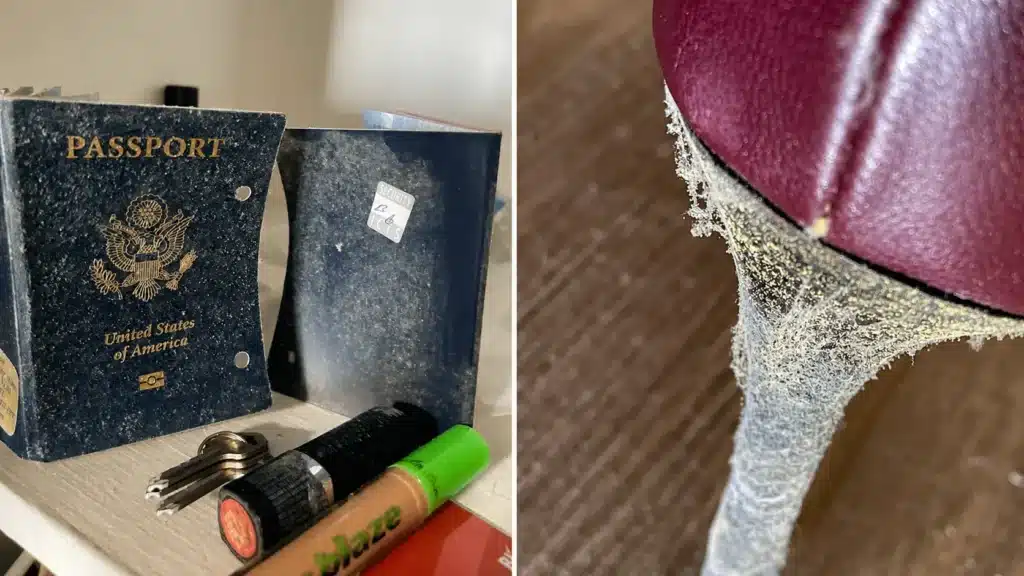
Mold is a natural part of the environment, but when it grows indoors because of excess moisture, leaks, flooding, or high humidity, it can become an indoor environmental concern. While some people may not notice any reaction to mold, others can experience allergy symptoms, respiratory irritation, or worsening asthma.
Understanding mold exposure and allergic reactions, common mold allergy symptoms, and the potential health effects of indoor dampness and mold can help property owners and occupants recognize when an environmental investigation may be appropriate. As an independent environmental testing company, Quest Mold and Asbestos Inspections and Testing provides mold inspections and environmental testing to help identify potential mold, moisture, and indoor air quality concerns.
Why Do Some People React to Mold?
People can respond very differently to the same indoor environment. One person may spend time in a building with visible mold and experience few noticeable symptoms, while another person may develop significant allergy or respiratory symptoms.
This difference can be related to individual allergies, asthma, sensitivity to airborne allergens, the condition of the building, and the type and amount of environmental exposure.
This is why it is important not to assume that everyone exposed to the same mold will have the same reaction. At the same time, recurring symptoms should not automatically be dismissed, especially when a property has a history of water damage, persistent dampness, or visible mold.
Environmental testing can evaluate conditions within the building, while a healthcare professional can evaluate an individual’s symptoms and medical concerns.
Read More: What Is an ACP5 Inspection and Why Does NYC Require It?
Mold Exposure and Allergic Reactions
Mold exposure allergic reactions are a common concern among people who are sensitive or allergic to mold. Mold spores can become airborne and may act as allergens when inhaled by susceptible individuals.
A person with a mold allergy may experience symptoms similar to other airborne allergies. These reactions can occur when an individual enters or spends significant time in an environment containing airborne mold spores.
Common reactions can include sneezing, a runny or stuffy nose, itchy or watery eyes, coughing, nasal irritation, and throat discomfort.
However, experiencing these symptoms does not prove that mold is the cause. Similar symptoms can be associated with pollen, dust mites, pet dander, respiratory infections, and other indoor environmental factors.
This distinction is important. Environmental testing can provide information about the building, but it cannot diagnose a mold allergy or determine the medical cause of a person’s symptoms.
Common Mold Allergy Symptoms
Mold allergy symptoms can vary from mild to more noticeable depending on the individual and their exposure.
Some commonly reported allergy symptoms include:
- Sneezing
- Runny nose
- Nasal congestion
- Itchy nose or throat
- Watery or itchy eyes
- Postnasal drainage
- Coughing
- Throat irritation
- Wheezing in susceptible individuals
- Worsening asthma symptoms
Some people may notice a pattern in which their symptoms become worse while they are inside a particular property and improve after spending time elsewhere. While this pattern can be a reason to investigate the indoor environment, it does not by itself establish that mold is responsible.
If symptoms are persistent, severe, or affecting daily activities, medical evaluation should be considered.
Indoor Mold Exposure and Allergies
The relationship between indoor mold exposure and allergies becomes particularly important when moisture allows mold to grow inside occupied spaces.
Mold needs moisture to grow. Common sources include leaking pipes, roof leaks, flooding, plumbing failures, condensation, and excessive indoor humidity. Mold can grow on drywall, wood, carpeting, ceiling materials, insulation, and other building components.
Some mold growth is obvious, while other growth may be hidden behind walls, underneath flooring, above ceilings, or inside areas affected by previous water intrusion.
Cleaning visible mold may not solve the underlying problem if the moisture source remains. If water continues to enter or accumulate in a building, mold can return even after an area has been cleaned.
For this reason, evaluating moisture conditions is an important part of investigating a suspected indoor mold problem.
Mold Sensitivity and Potential Health Effects
The phrase mold sensitivity health effects is often used to describe symptoms that people associate with exposure to mold or damp environments. Some individuals may be particularly sensitive to airborne allergens and notice symptoms in environments where others do not.
However, symptoms such as fatigue, headaches, congestion, coughing, or irritation can have many possible causes. It is therefore important to avoid assuming that every symptom experienced in a building is caused by mold.
A professional environmental inspection can help evaluate whether the property has conditions that could support mold growth. This may include looking for visible mold, water damage, moisture intrusion, condensation, humidity problems, and other environmental conditions.
The purpose of testing is to provide objective information about the building—not to make a medical diagnosis.
Mold Hypersensitivity and Respiratory Symptoms
Mold hypersensitivity is a term sometimes used to describe heightened reactions to mold or fungal allergens. However, the term can be used broadly and should not be considered a specific medical diagnosis without appropriate evaluation.
For individuals who are sensitive to airborne allergens, mold exposure may contribute to allergy or respiratory complaints. Mold exposure respiratory symptoms can include coughing, wheezing, nasal congestion, throat irritation, and difficulty managing existing respiratory conditions.
People with asthma or other respiratory conditions may be particularly concerned about environmental triggers. Anyone experiencing serious or persistent breathing difficulties should seek appropriate medical care.
From an environmental perspective, investigating the building can help determine whether moisture, mold, or other indoor conditions are present.
Allergic Rhinitis and Mold Exposure
Allergic rhinitis mold exposure is another concern associated with airborne allergens. Allergic rhinitis commonly causes sneezing, congestion, a runny nose, and itchy or watery eyes.
Mold spores are one of several environmental allergens that may contribute to allergic rhinitis in susceptible individuals. Indoor mold may become particularly relevant when symptoms repeatedly occur in a specific property.
For example, if an occupant experiences recurring allergy-like symptoms in a home or workplace where there is also a history of leaks, flooding, musty odors, or visible mold, an environmental assessment may help identify potential contributing conditions.
Testing cannot determine whether mold caused the individual’s allergic rhinitis. Instead, it can help characterize the environmental conditions inside the property.
Mold Allergy and Asthma
The connection between mold allergy asthma and indoor environmental conditions deserves attention. Mold can act as an allergen, and exposure to allergens may trigger or worsen asthma symptoms in susceptible individuals.
People with asthma who notice recurring symptoms in a particular building should discuss their concerns with their healthcare provider. At the same time, property owners and occupants can investigate potential environmental triggers.
A mold inspection can look for visible mold, water intrusion, moisture problems, and areas where conditions may support fungal growth.
Controlling moisture is especially important because mold generally requires moisture to grow. Identifying and addressing the underlying moisture source can help prevent recurring mold growth.
Health Effects of Indoor Dampness and Mold
The health effects of indoor dampness and mold can vary significantly between individuals. Damp conditions can support mold growth and may contribute to an indoor environment containing mold spores and other biological particles.
Potential concerns associated with damp or moldy environments include allergy symptoms and respiratory complaints, particularly among people who are susceptible to environmental allergens.
Some warning signs of a potential indoor moisture or mold problem include:
- Persistent musty odors
- Visible mold growth
- Water stains on walls or ceilings
- Previous flooding
- Plumbing or roof leaks
- Condensation
- Excessive indoor humidity
- Damaged or deteriorating building materials
- Mold that repeatedly returns after cleaning
- Unexplained moisture in walls, floors, or ceilings
These signs do not automatically mean that occupants are experiencing health effects from mold. They do indicate that the building may warrant further environmental evaluation.
When Should You Consider Mold Testing?
Mold testing may be considered when there is uncertainty about the presence or extent of an indoor environmental concern. It may be especially useful following water damage, flooding, recurring mold growth, or when there are concerns about hidden mold.
Depending on the situation, an environmental assessment may involve visual inspection, moisture measurements, and laboratory analysis of air or surface samples.
Testing should be interpreted together with the condition of the property. A laboratory result alone cannot explain why mold is present or determine whether an individual’s symptoms are caused by mold.
That is why an independent inspection and testing process can provide useful information for property owners, tenants, building managers, and other stakeholders.
Also Read: Penicillium Mold Allergy and Indoor Exposure
The Importance of Independent Environmental Testing
At Quest Mold and Asbestos Inspections and Testing, our role is to provide independent environmental inspections and testing. We do not perform mold remediation, allowing our testing services to remain separate from remediation work.
Our focus is on evaluating environmental conditions, documenting findings, and providing objective testing information. This can help property owners and occupants make informed decisions about what steps may be appropriate for their property.
When mold is suspected, the goal should not simply be to find mold. A thorough evaluation should also consider the moisture source, extent of the affected area, building conditions, and other potential indoor environmental factors.
Take Mold Concerns Seriously and Test Objectively
Mold does not affect everyone in the same way. Some individuals may experience significant mold exposure allergic reactions, while others may have few or no noticeable symptoms. People with allergies or asthma may be particularly concerned about mold allergy symptoms, respiratory complaints, and the potential health effects of indoor dampness and mold.
Because many symptoms have multiple possible causes, it is important not to assume that mold is responsible based on symptoms alone. Medical professionals can evaluate individual health concerns, while environmental testing professionals can evaluate the building itself.
If your property has visible mold, persistent moisture, a history of water damage, or recurring allergy and respiratory concerns, professional environmental testing can provide objective information about the indoor environment.
Watch our Mold Testing video to learn more.
Quest Mold and Asbestos Inspections and Testing provides independent mold inspections and environmental testing to help property owners and occupants better understand potential indoor environmental concerns and make informed decisions about their next steps.