Asbestos was once widely used in residential construction due to its durability and heat resistance. However, it is now known to pose serious health risks when disturbed. Many older properties still contain asbestos materials, which makes early identification essential. If you own or are planning to buy an older property, recognizing the warning signs can help you decide when asbestos testing in New York becomes necessary.
Understanding these signs is not just about compliance, but also about protecting indoor air quality and long-term health.
Why Asbestos Is Still a Concern in Older Homes
Asbestos was widely used in construction materials before the late 1970s because of its strength, fire resistance, and insulating properties. It was commonly found in insulation, flooring, roofing materials, cement products, and textured paints. According to the U.S. Environmental Protection Agency, asbestos becomes a health risk when its fibers are released into the air and inhaled.
What makes asbestos particularly concerning is that it often remains hidden within building materials and may not pose an immediate risk unless disturbed. Activities such as drilling, sanding, or even natural aging can cause these materials to break down, releasing microscopic fibers into the indoor environment.
Long-term exposure has been linked to serious health conditions, including Mesothelioma, lung cancer, and asbestosis. These diseases can take years or even decades to develop, which makes early detection even more important. This is why identifying and addressing asbestos-containing materials at an early stage is a critical step in maintaining a safe living environment, especially in older homes.
Your Home Was Built Before 1980
One of the strongest indicators that you may need asbestos testing in New York is the age of your property. Homes built before 1980 are more likely to contain asbestos in various materials.
Common areas where asbestos may be present include:
- Pipe insulation
- Vinyl floor tiles
- Roof shingles and siding
- Popcorn ceilings
Even if the materials look intact, aging and wear can increase the risk of fiber release.
Presence of Deteriorating or Damaged Materials
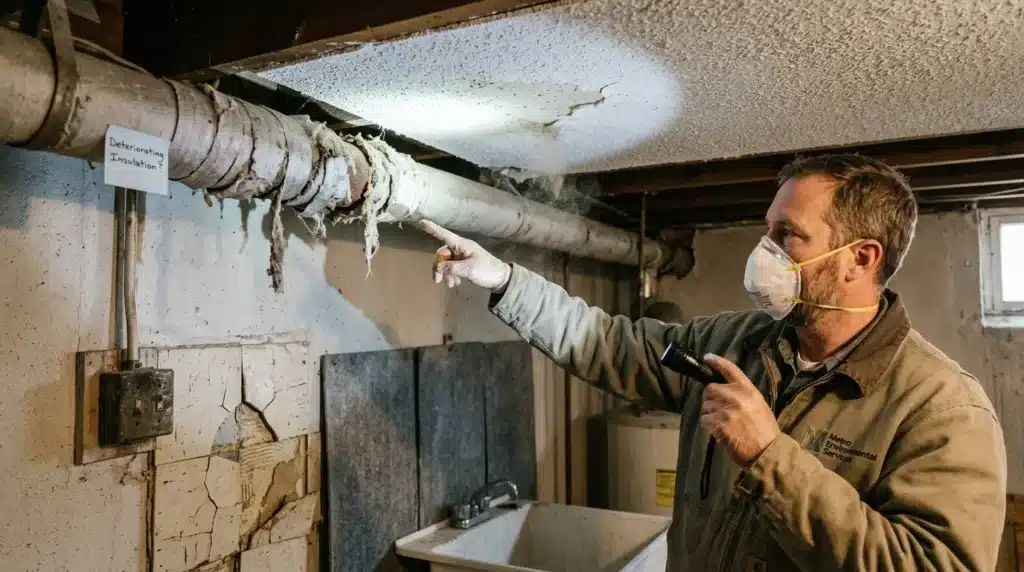
Asbestos is most dangerous when materials start to break down. Crumbling drywall, cracked insulation, or damaged ceiling textures can release microscopic fibers into the air.
The World Health Organization states that there is no safe level of asbestos exposure, which makes damaged materials a serious concern.
If you notice signs of wear in older building materials, it is a strong reason to consider professional asbestos testing in New York.
Planning Renovations or Remodeling Work
Renovation activities are one of the most common triggers for asbestos exposure. Drilling, sanding, or removing old materials can disturb asbestos fibers that were previously contained.
Before starting any renovation project, especially in older homes, testing is highly recommended. This helps prevent accidental exposure and ensures compliance with safety regulations.
Unusual Dust After Construction or Wear
If you notice persistent or unusual dust in your home, particularly after minor repairs or natural wear, it could be a warning sign. While not all dust contains asbestos, homes with older materials should not ignore this indicator.
Professional asbestos testing in New York can help determine whether airborne particles pose a risk or not.
Outdated Insulation or Flooring Materials
Certain materials are strongly associated with asbestos use:
- Vermiculite insulation
- Old linoleum or vinyl flooring
- Cement sheets and panels
According to the Agency for Toxic Substances and Disease Registry, vermiculite insulation in particular has been widely linked to asbestos contamination in older homes.
If your property still has original insulation or flooring, testing becomes a practical step rather than a precaution.
Buying or Selling an Older Property
Real estate transactions often require a clearer understanding of environmental risks. While asbestos inspections are not always legally required, many buyers and lenders prefer to have clarity before finalizing a deal.
Getting asbestos testing in New York done during this stage helps:
- Avoid future liabilities
- Improve buyer confidence
- Support transparent property valuation
Health Symptoms Without a Clear Cause
Although symptoms typically appear after long-term exposure, unexplained respiratory issues such as persistent coughing or shortness of breath should not be ignored, especially in older homes.
While testing alone cannot diagnose health conditions, it can help rule out environmental exposure as a contributing factor.
Why Professional Testing Matters
It is important to understand that asbestos cannot be identified reliably through visual inspection alone. Laboratory analysis is required to confirm its presence.
Certified professionals follow strict procedures to:
- Safely collect samples
- Prevent fiber release during testing
- Provide accurate lab results
This ensures both safety and compliance with local guidelines in New York.
Protect Your Property with Trusted Expertise from Quest Mold and Asbestos Inspections
When it comes to identifying potential hazards in your home, taking timely action makes a real difference. Quest Mold and Asbestos Inspections provides reliable and detailed assessments to help homeowners make informed decisions without unnecessary risk.
Whether you are planning renovations, purchasing an older property, or noticing early warning signs, choosing professional asbestos testing in New York ensures accuracy and peace of mind. With a focus on thorough evaluation and safety-first practices, Quest Mold and Asbestos Inspections helps you move forward with confidence.
Frequently Asked Questions
What are the signs that a home might need asbestos testing?
A home may need asbestos testing if it was built before 1980, has damaged or deteriorating insulation, old floor tiles, popcorn ceilings, or crumbling pipe insulation, as these are common materials that historically contained asbestos in older construction.
How do you know if your home has asbestos?
You cannot identify asbestos by sight alone, the only way to know if your home has asbestos is to hire a certified asbestos inspector to collect samples and have them tested in an accredited laboratory for accurate and safe results.
What year of home construction requires asbestos testing?
Homes built before 1980 are most likely to contain asbestos, as it was widely used in building materials until the late 1970s when regulations began restricting its use, making testing strongly recommended for any renovation or demolition of older properties.
What materials in a home commonly contain asbestos?
Common home materials that may contain asbestos include popcorn ceilings, vinyl floor tiles, pipe insulation, roof shingles, drywall joint compound, attic insulation, and old heating duct wrap, particularly in homes built between the 1940s and 1980s.
Is asbestos testing required before a home renovation?
Asbestos testing is strongly recommended and in many regions legally required before any renovation or demolition work on homes built before 1980, as disturbing asbestos-containing materials can release harmful fibers into the air and create serious health risks.