
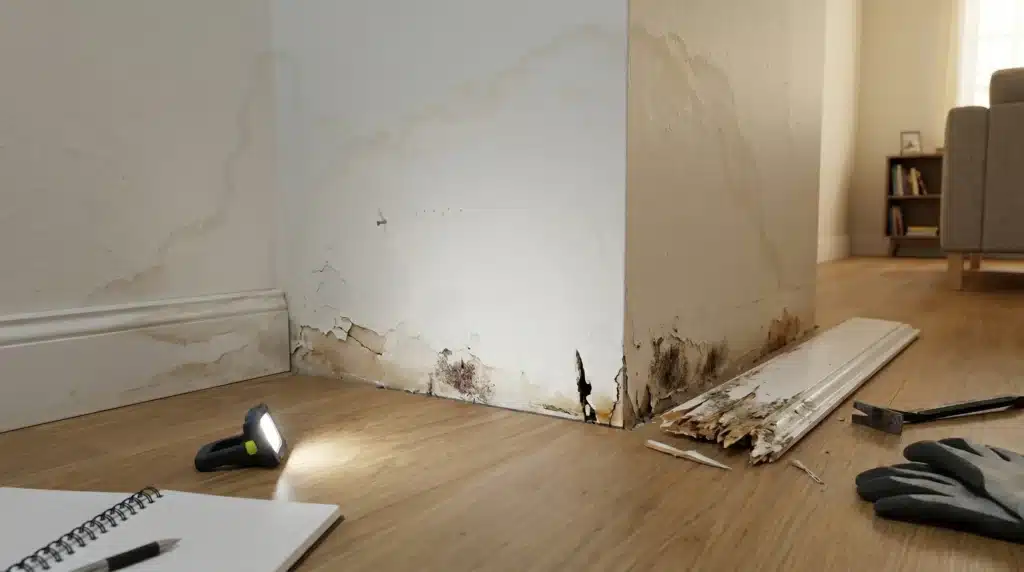
Mold is a common problem in rental properties, especially in older buildings. When mold appears, some landlords choose the quickest and cheapest solution available.
Many property owners cut corners in order to save money right away or prevent upsetting tenants. They concentrate on making the mold less noticeable rather than figuring out the cause of the issue.
Although these short treatments might initially appear to be more affordable, they frequently don’t address the root source of mold growth. Because of this, landlords often wind up paying far more than they would have if the problem had been resolved correctly from the start.
According to the U.S. Environmental Protection Agency (EPA), mold problems should be cleaned up promptly and the source of moisture must be corrected to prevent mold from returning.
The “Cheap Fix” Approach
To save money, some landlords rely on temporary solutions rather than addressing the full extent of the problem.
Common shortcuts include:
- Painting over mold stains
- Cleaning only visible mold growth
- Hiring unqualified labor instead of professionals
- Skipping mold inspection services and moisture assessments
- Ignoring the source of water intrusion
While these methods may improve appearances temporarily, they rarely solve the actual problem.
Why Cheap Fixes Often Fail
The biggest mistake many property owners make is assuming mold only exists where it can be seen.
Hidden Mold Remains
Mold can spread inside drywall, insulation, wood framing, and other porous materials. Even if visible mold is removed, hidden contamination may remain behind walls and ceilings.
Moisture Problems Continue
Mold requires moisture to grow. If the source of moisture is not identified and corrected, mold is likely to return.
Common causes include:
- Plumbing leaks
- Roof leaks
- Condensation issues
- High indoor humidity
- Poor ventilation
Tenant Complaints Keep Coming Back
When mold returns, so do the complaints.
Tenants may continue reporting musty odors, visible staining, or concerns that may require indoor air quality testing. What seemed like a small maintenance issue can quickly become a recurring problem that requires additional time and money to resolve.
The Real Cost of Taking Shortcuts
Cheap mold repairs often create larger expenses later.
Paying for the Same Repair Multiple Times
A landlord who spends a few hundred dollars covering up mold may later spend thousands correcting the same issue after it worsens.
Instead of paying once for a proper solution, they end up paying for multiple repairs, inspections, and cleanup efforts.
Increased Property Damage
Moisture and mold can continue damaging drywall, insulation, flooring, and structural materials.
The longer the problem remains unresolved, the more extensive the repairs may become.
Potential Legal and Compliance Issues
Tenant complaints, housing violations, arguments, and extra documentation needs might result from recurrent mold issues. Tenants may file a lawsuit in certain circumstances if they think the landlord neglected to fix known mold or moisture issues on the property.
Responding to complaints, consulting lawyers, attending hearings, and settling disputes can be costly and time-consuming, even in cases when legal claims ultimately fail.
The Proper Way to Address Mold
Industry guidance from organizations such as the EPA and IICRC emphasizes that successful mold remediation begins with identifying and correcting the source of moisture.
A proper approach typically includes:
Inspection and Moisture Assessment
The first step is determining the extent of the mold problem and identifying why it developed.
A professional mold inspection can help locate hidden moisture sources and mold growth that may not be visible.
Correcting the Moisture Source
Before cleanup is completed, the moisture problem should be repaired.
Without fixing the underlying cause, mold will likely return.
Containment and Air Filtration
Containment barriers, HEPA filtration, and negative air pressure are frequently used in professional remediation efforts to stop contamination from spreading throughout the site.
During remediation, air scrubbers are frequently employed to collect airborne mold spores and other tiny particles. By drawing contaminated air through high-efficiency particulate air (HEPA) filters, these devices help purify and circulate the air inside the enclosed work space.
In some situations, air scrubbers can also be configured to function as negative air machines. They provide negative air pressure in the workspace when attached to ducting that expels filtered air beyond the containment area. During remediation, this pressure differential helps improve containment and lower the danger of cross-contamination by preventing airborne mold spores from escaping into unaffected regions of the property.
Removal of Damaged Materials
Heavily contaminated materials such as drywall, insulation, carpeting, and ceiling tiles may need to be removed and replaced.
Cleaning and Drying
Remaining surfaces should be thoroughly cleaned, and affected areas should be completely dried before reconstruction begins.
Verification
Depending on the project, post-remediation inspections, moisture measurements, or mold testing may be performed to confirm the issue has been resolved.
Why Independent Mold Inspections Can Save Money
Numerous environmental firms provide both remediation and inspection services. Combining these services can provide a financial incentive to suggest greater cleanup tasks, even though many of them are respectable.
Independent inspection firms only concentrate on assessing conditions and offering unbiased data.
This allows landlords to:
- Understand the true scope of the problem
- Avoid unnecessary remediation costs
- Make informed repair decisions
- Reduce the risk of recurring mold issues
Starting with an independent assessment can help ensure money is spent where it is actually needed.
Avoid Costly Repeat Repairs with Quest Mold and Asbestos Inspections
Quest Mold and Asbestos Inspections provides independent mold inspection services, mold testing, moisture assessments, and indoor air quality testing to help landlords identify the source of mold problems before spending money on repairs.
A professional assessment can help prevent costly repeat repairs and ensure corrective actions address the real cause of the issue.
Conclusion
Cheap mold repairs may appear to save money, but they often lead to larger expenses over time.
Painting over mold or cleaning only visible growth does not address the moisture conditions that allow mold to thrive. When the underlying problem remains, mold frequently returns, leading to additional repairs, property damage, and tenant complaints.
For landlords, investing in a professional mold inspection and proper moisture assessment from the beginning is often the most cost-effective solution. Addressing the root cause early can help prevent repeat repairs, protect the property, and reduce long-term costs.