
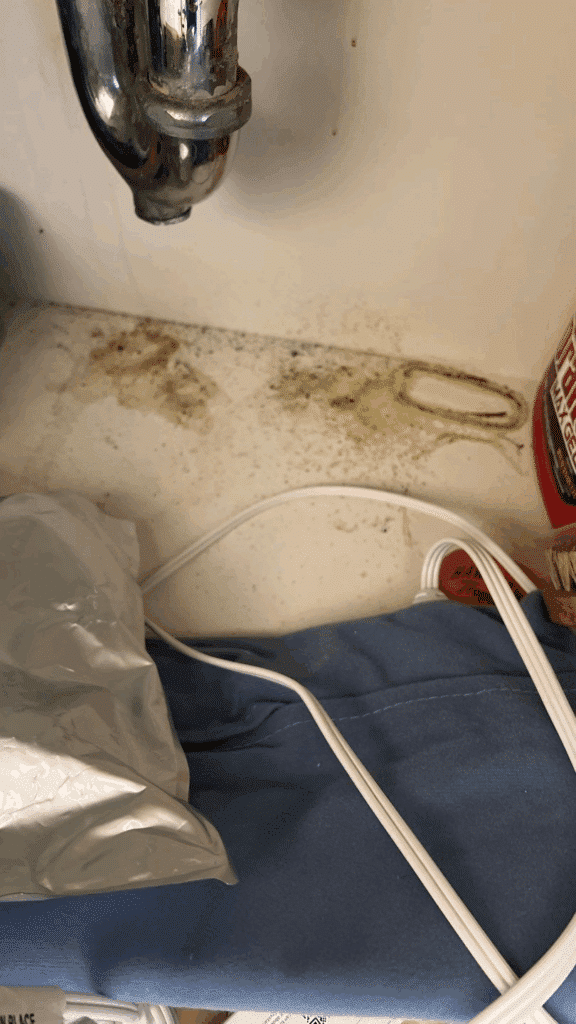
Water damage to homes is commonly attributed to flood or heavy rain, but the most common culprit is right in front of our faces—household appliances. The washing machine, dishwasher, sink, and refrigerator are all fixtures and appliances that leak and overflow and spit water into spaces that are sometimes not visible. If this water isn’t dealt with immediately, it makes a great venue for mold growth.
How Water Damage from Utilities Leads to Mold
Mold develops in places where there is standing water and organic material to feed on. When there is a leak in a washing machine hose, drips on a sink pipe, or water dumped onto a floor, water will seep through flooring, drywall, cabinets, and insulation. These moist places make the environment mold spores need to grow. A small leak that wasn’t found for a few days can cause mold to grow in walls, under floors, and in cabinets.
What to do When You Find Water Damage
If you find water damage from an appliance:
- Pump Out and Remove Standing Water -All standing water needs to be pumped out immediately to keep it from seeping deeper into building materials.
- Dry and Remediate Contaminated Spaces -HEPA vacuum, scrub with antimicrobial cleaning agents, and dry completely. Remove and replace damaged materials like insulation or drywall.
- Air Filtration -HEPA air scrubbers can be utilized to filter airborne mold spores from the air and improve indoor air quality during the remediation process.
Preventing Mold Growth Around Home Utilities
Prevention is best when it comes expensive mold remediation:
- Regular Inspections -Regularly check surrounding areas of sinks, behind washing machines, and near refrigerators or dishwashers for moisture or leaks.
- Clean Up Under Sinks -Sink cabinets are humid and full of spills. Wiping down and cleaning these areas stops mold-favorable situations.
- Replace Worn Parts -Frayed washing machine hoses, loose connections, or damaged caulking may lead to slow leaks. Replacing parts immediately reduces risk.
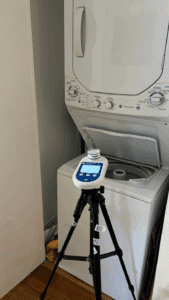
Water damage from household appliances seems like no big deal, but hidden mold makes it a bigger issue. Being proactive when you have a leak by water pumping, restoring affected areas, and regular inspections can make sure your home stays mold free and save you from expensive repairs and health risks from mold growing.