Reliable Post Fire and Smoke Testing Services in Long Island
Did a fire or smoke event leave your property smelling wrong? Quest Mold and Asbestos Testing provides independent post-fire and smoke testing across Nassau and Suffolk County with certified results.
Your Property Looks Clean After the Fire, but Is the Air Safe? Find Out With Post Fire and Smoke Testing
This is the question most property owners never think to ask. The flames are out, and the restoration crew has packed up. Everything looks fine, but what you cannot see is what matters most.
Fire leaves behind hundreds of chemical compounds that do not disappear when the smoke clears. Soot particles settle into wall cavities, HVAC systems, and upholstery. Volatile organic compounds continue to off-gas from burned materials for weeks or months after the event.
The only way to know whether a fire-damaged space is genuinely safe is through independent post-fire air quality testing. We provide objective fire and smoke testing across Long Island, with written reports to support insurance claims with lab data and accurate findings.
Is the air actually safe? Contact us today for independent post-fire and smoke testing.

What Stays in Your Indoor Air After a Fire
- Soot particles smaller than 2.5 microns penetrate deep into lung tissue with repeated inhalation.
- PAHs from incomplete combustion are classified as carcinogens that stay active long after cleanup.
- VOCs, including benzene, formaldehyde, and acrolein, continue to off-gas for weeks after the event.
- Char and ash particles resettle into the air with normal foot traffic and air movement.
- Carbon monoxide can persist when smoldering materials remain active inside walls or insulation.
- HVAC systems circulate contaminated air through every room when smoke particulates enter the ductwork.
Contact us to schedule indoor air quality testing after a fire at your Long Island property.
The Puffback Problem That Is Particularly Common on Long Island
A puffback happens when unburned oil accumulates in the combustion chamber of a boiler or oil burner and ignites suddenly. The explosion blasts oily black soot through the heating system and out through every vent and return in the property.
Long Island’s housing stock relies heavily on oil heating systems. Older homes with aging boilers are especially vulnerable, particularly at the start of heating season. We provide certified smoke soot air testing after a puffback, which is the only way to document what your property contains objectively.
Did your boiler or oil burner misfire? Contact us today for reliable soot testing after fire.
Our Post Fire and Smoke Testing Services in Long Island
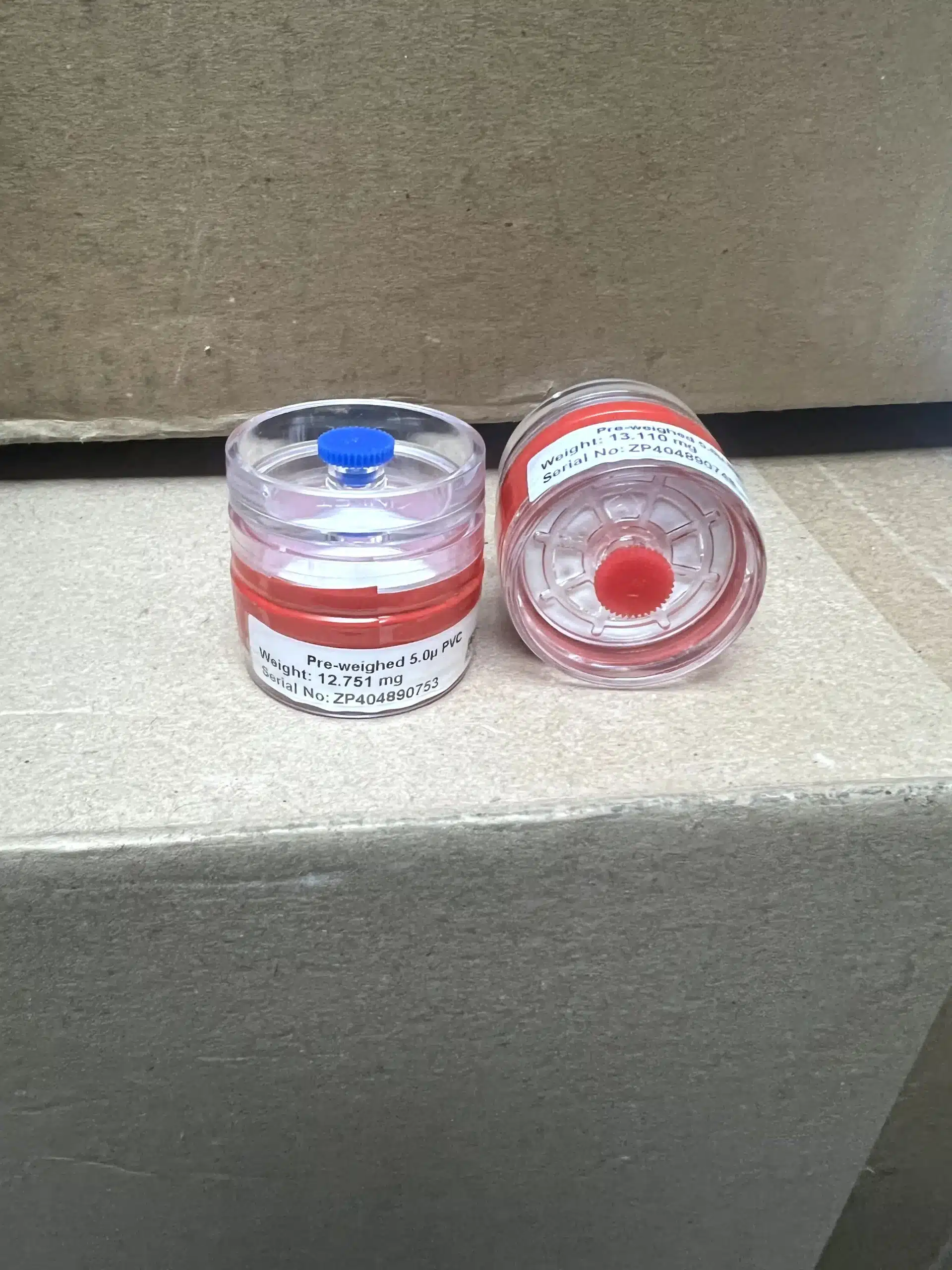
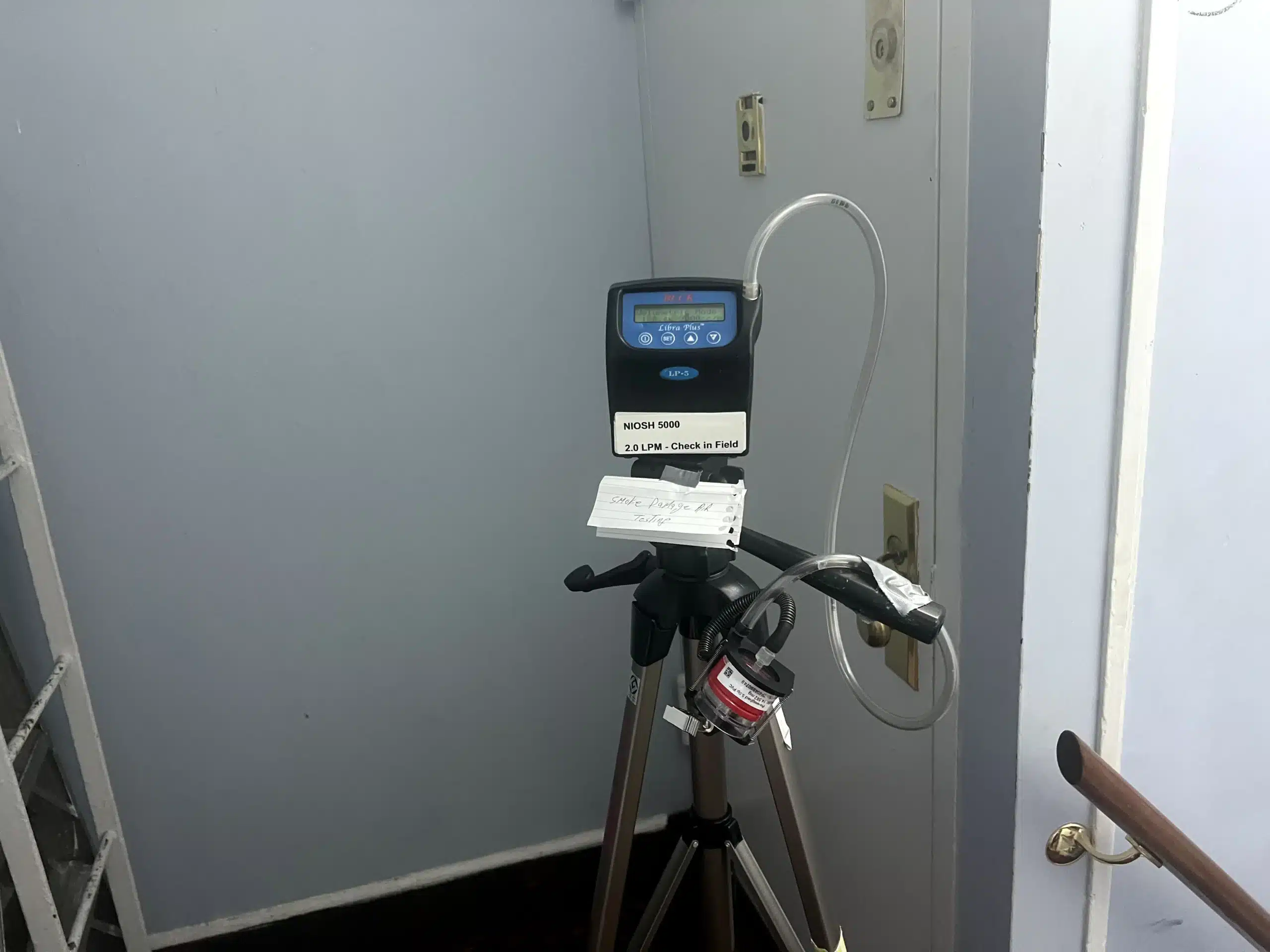
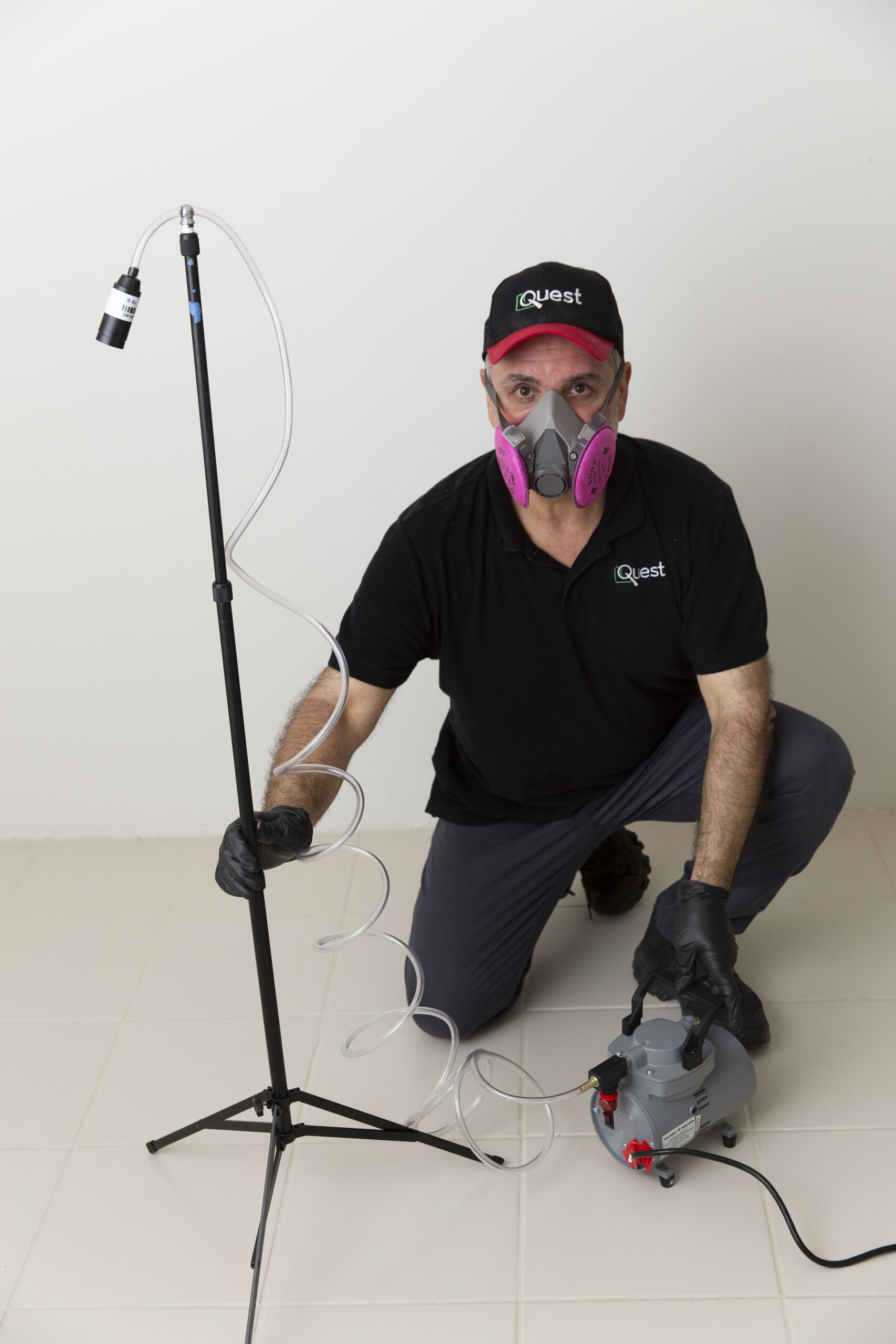
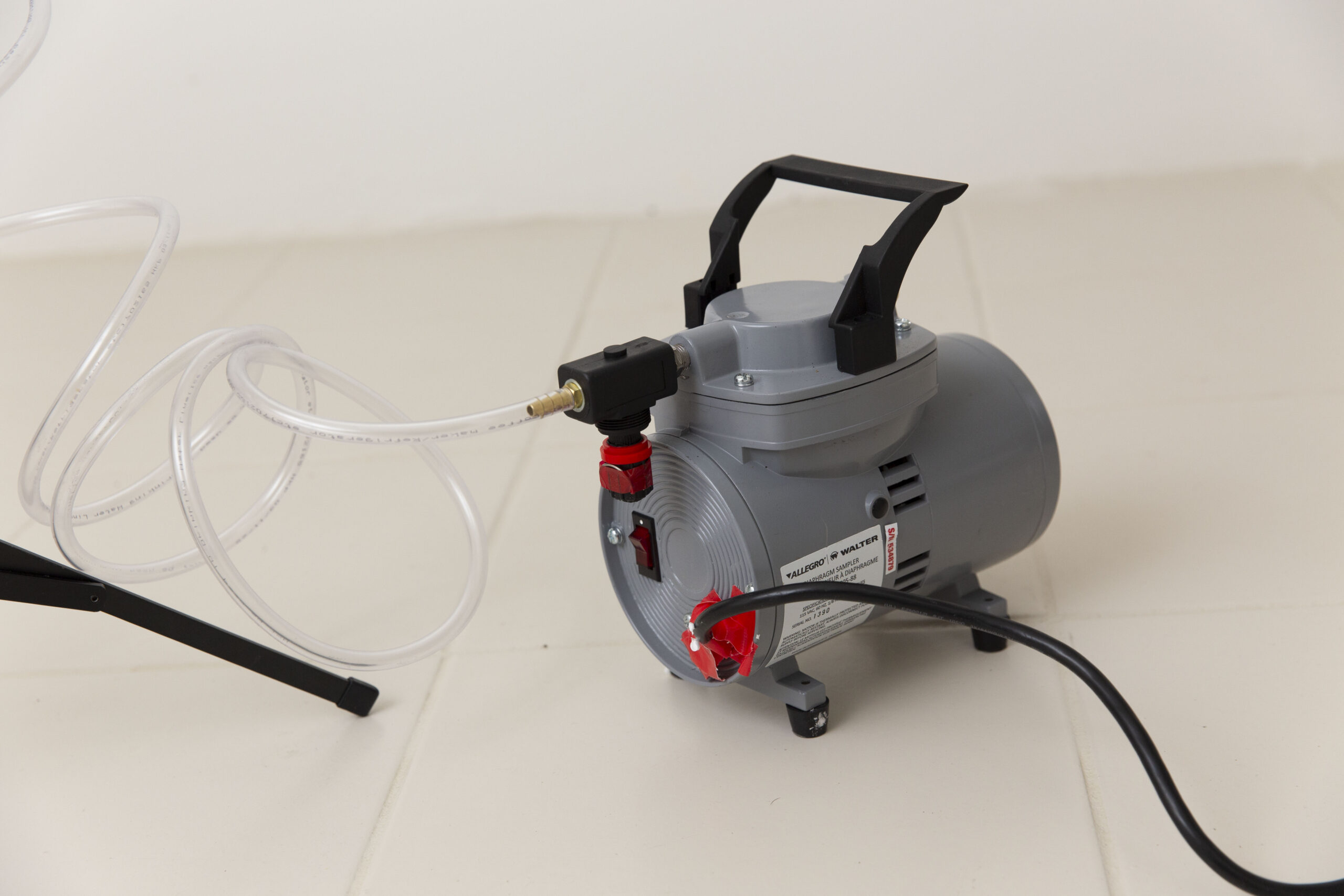
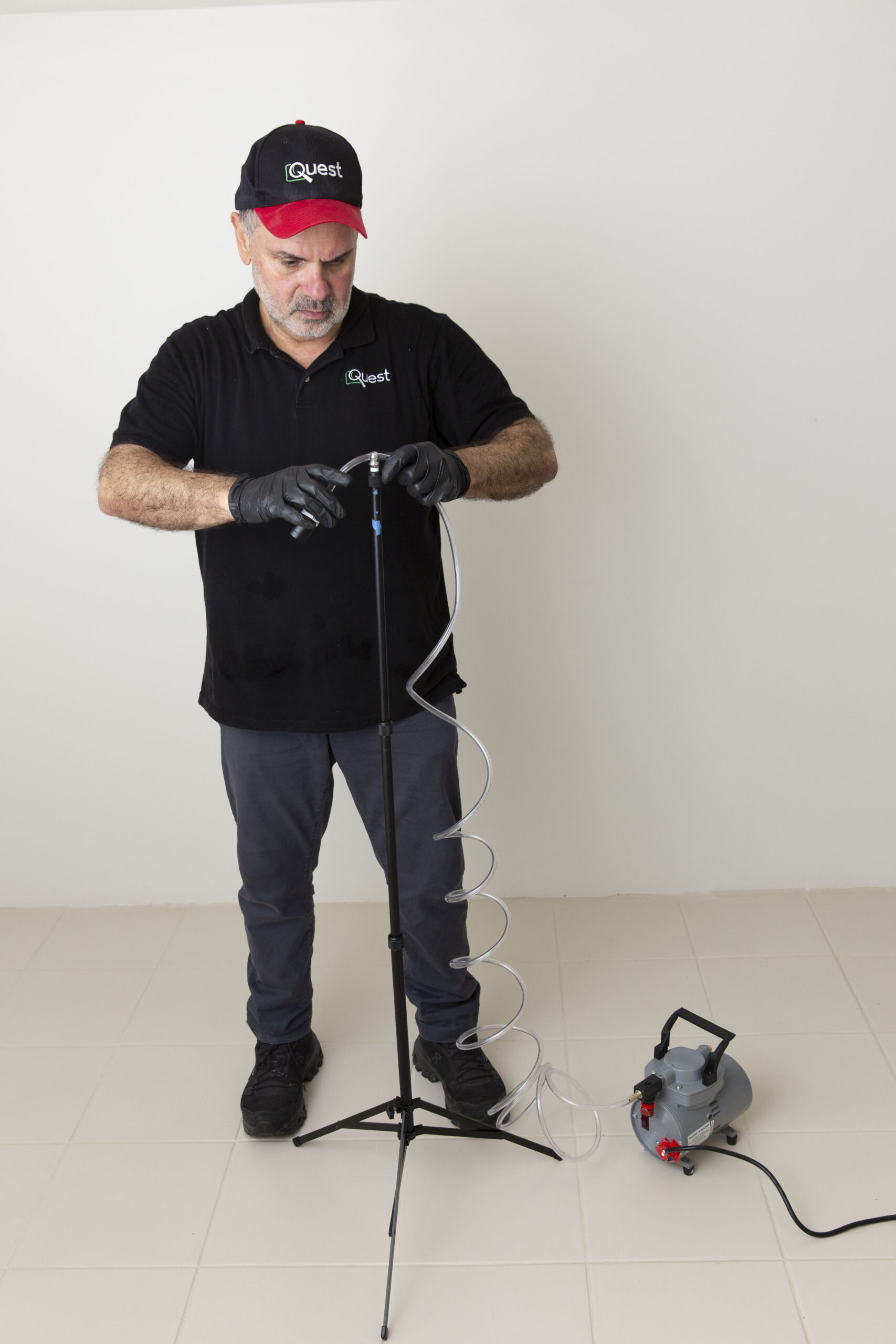
We collect air samples from affected and adjacent areas, analyze them through an independent certified laboratory, and deliver a written report documenting exactly what is present and at what concentration.
VOC testing after fire identifies benzene, formaldehyde, toluene, and acrolein that continue off-gassing from burned materials long after visible cleanup is complete.
Our formaldehyde testing for fire damage specifically measures this toxic compound released when wood products, insulation, and composite building materials burn.
Surface sampling identifies where soot has settled and penetrated. Air sampling confirms whether resuspended smoke soot particles remain at unsafe concentrations in the breathing environment.
Particulate matter testing after fire measures PM2.5 and PM10 concentrations. These fine particles carry PAHs and heavy metals deep into lung tissue and are associated with increased cancer risk.
This confirms that remediated property has been cleaned to a standard that is safe for reoccupancy. This independent verification carries real weight with insurance carriers because it comes from a third party with no financial interest in the outcome.
Not sure which tests your property needs? Call us today, and we will walk you through exactly what applies to your situation.
Why Independent Testing Matters for Insurance Claims
- Independent post-fire and smoke testing carries more weight with insurance adjusters than documentation from the company doing the cleanup.
- A clear conflict of interest exists when a remediation company also conducts its own clearance testing.
- Written air quality reports document the scope of contamination before remediation, justifying the cost of the work required.
- Post-fire clearance testing by an independent firm confirms remediation met acceptable air quality standards before reoccupancy.
- Insurance carriers in New York regularly request independent environmental testing documentation for fire, smoke, and puffback claims.
Need testing documentation for a claim? Contact us today for independent smoke damage testing that documents the full picture.
Health Risks That Do Not Show Up Right Away
The risks of Post-fire contamination do not develop slowly but develop with ongoing exposure.
Prolonged PAH exposure has been directly associated with increased lung cancer risk. PAHs bind to DNA and are classified as probable or known carcinogens depending on the specific compound present.
Fine particulate matter at PM2.5 concentrations enters the bloodstream through the lungs and has been linked to cardiovascular diseases and impaired immune function.
Children, elderly individuals, pregnant women, and anyone with existing respiratory conditions face significantly elevated risk in fire-damaged environments.
We provide independent fire damage testing that documents when a space is safe and not just visually clean.
Contact us today for indoor air quality testing after fire based on real data.
Why Quest Mold and Asbestos Testing Is the Right Call for Post-Fire Testing Services in Long Island?
There is a direct conflict of interest when the company hired to remediate a fire-damaged property also confirms its own work is complete. This is one of the most common and least talked-about problems in post-fire situations across Long Island.
We at Quest Mold and Asbestos Testing perform testing and assessment, and the results we produce reflect what is actually in your property, not what needs to be in the report for a remediation job to be considered complete. Every property owner who works with us receives a written report that is formatted clearly and supports decisions and claims that follow from the results.
Is your Long Island property dealing with fire or smoke damage? Contact us for professional post-fire and smoke testing in Long Island.