A Guide for Homeowners, Tenants, and Property Managers
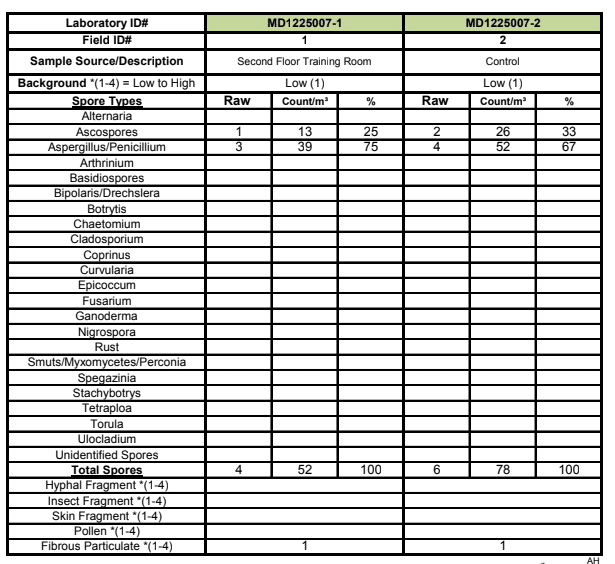
If mold analysis has been done in a residential area, then in most cases, a report from a laboratory involves one of these three states of fungal ecology. These were all established as a means of establishing air quality in a residential area, as well as understanding how much mold is present both indoors and outdoors. This is an important part of understanding a mold analysis result.
Below is a clear explanation of the three conditions and what they mean for you and your property.
Condition 1-
Normal Fungal Ecology
Condition 1 means the indoor environment is considered clean and within a normal range. The types and amounts of mold found inside the space show what is naturally present outdoors. This does not mean that there are zero spores present. Mold spores exist everywhere in nature and they will always drift indoors to some degree. This is something you cannot prevent.
A lab report showing Condition 1 indicates that:
- Indoor levels are similar to or lower than the outdoor levels
- No indoor amplification is occurring
- No active mold growth is present on surfaces
- The space represents typical indoor air quality for a well maintained property
A property in Condition 1 may still benefit from routine cleaning, air purification, and humidity control, but no remediation is required as the air is within normal conditions.
Condition 2-
Settled Spores from an Indoor Source
Condition 2: This means that mold spores are present on surfaces due to an indoors origin, but mold growth has not occurred. This condition can result from mold being damaged, cleaned inappropriately, and/or a past problem of moisture.
Key signs of Condition 2 include:
- Air samples may show elevated levels above outdoor references
- Swab and tape samples may reveal spores on surfaces that are not growing
- Mold may have been released from a nearby contaminated area
- The space requires cleaning and air scrubbing to restore normal conditions
Properties in Condition 2 often respond to the standard remediation steps like sanitizing all surfaces, air scrubbers running for several days, correcting humidity, and small moisture issues. There is usually no need for demolition unless a deeper source is discovered.
Condition 3-
Active Indoor Mold Growth
Condition 3 is the most serious category. It means mold is actively growing inside the space on building materials or contents. This condition requires remediation by trained professionals due to the potential for significant spore release and ongoing air quality problems.
Indicators of Condition 3 include:
- Visible mold growth on drywall, wood, insulation, carpeting, or furniture
- Air and surface samples showing strongly elevated or dominant mold types
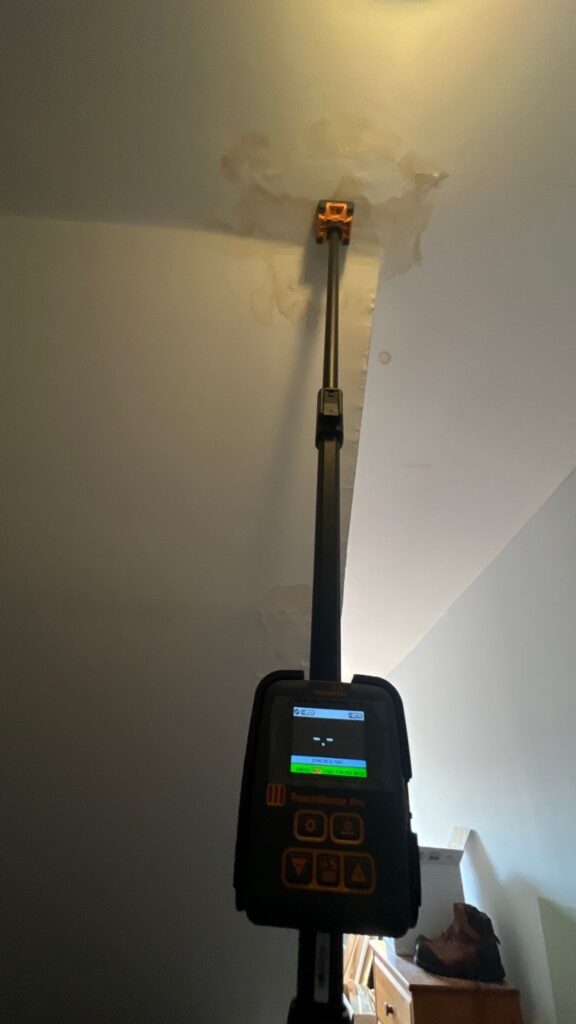
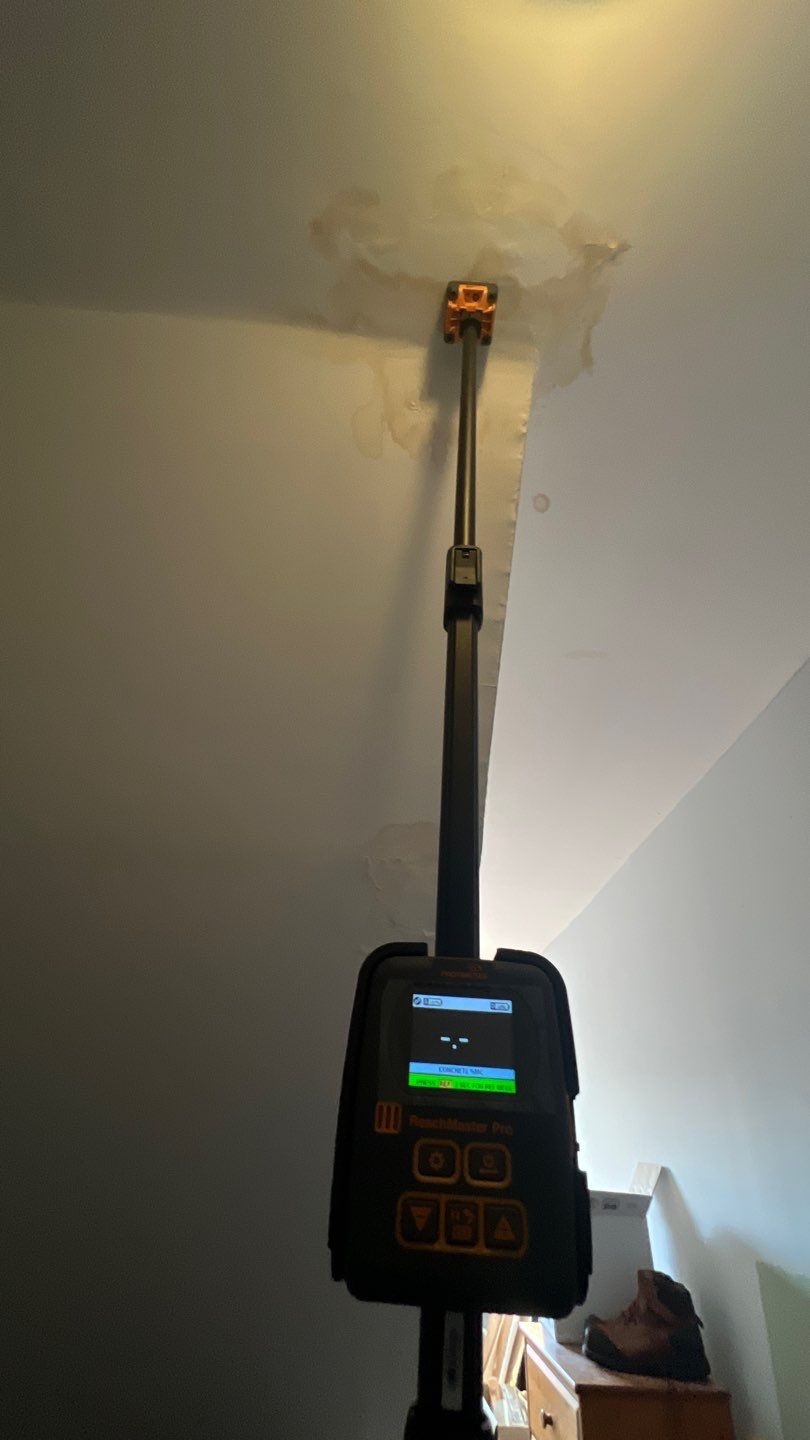
- Moisture readings confirming wet building materials
- Occupants reporting strong odors or health related concerns
Remediation for Condition 3 may include containment, removal of contaminated materials, HEPA cleaning, antimicrobial applications, and running air scrubbers through the entire process. After remediation, a post clearance test is usually recommended to confirm the space has been returned to Condition 1.
Why These Conditions Matter
The three fungal ecology conditions allow inspectors and laboratories to classify air quality in a consistent and scientific manner. They help determine:
- Whether mold is coming from indoors or outdoors
- The level of concern for occupants
- The type of remediation, if any, that is appropriate
- Whether the environment has been successfully restored after cleaning
Understanding these classifications empowers property owners to make informed decisions and ensures that mold issues are addressed correctly.