Many people are or have been diagnosed with an allergy to penicillin as a negative reaction to taking antibiotics including Amoxicillin, Augmentin, or Penicillin V. But on the opposite side of the same coin, many people suffer from an allergic reaction for an extended period of time. This exposure can be not drug related but from long term exposure to mold in their home or work space.
It is very important to understand the difference between a mold allergy and a penicillin allergy. Particularly in situations that do not respond to medication. If medication is not helping with your symptoms it is likely mold is secretly at play.
This article talks about the differences regarding the signs and possible risks of exposure to mold and the point when professional mold testing is required to ensure your air is safe to breathe.
What Is a Penicillin Allergy?
A penicillin allergy occurs when the immune system reacts in an odd way to penicillin-based antibiotics. This allergy can develop at any stage of lige even if the medication was tolerated in the past experiences.
Common Penicillin and Related Antibiotics
- Penicillin G
- Penicillin V
- Amoxicillin
- Augmentin (Amoxicillin + Clavulanate)
- Ampicillin
- Dicloxacillin
- Piperacillin
- Ticarcillin
These medications are very often prescribed for sinus infections, ear infections, bronchitis, and respiratory conditions as treatment.
Penicillin Allergy Symptoms
- Hives
- Rash
- Itching
- Facial Swelling
- Throat swelling
- Wheezing
- Shortness of breath
- Anaphylaxis (rare but severe)
Key point: Once the medication is stopped and avoided, the symptoms discontinue as well.
What Is a Mold Allergy?
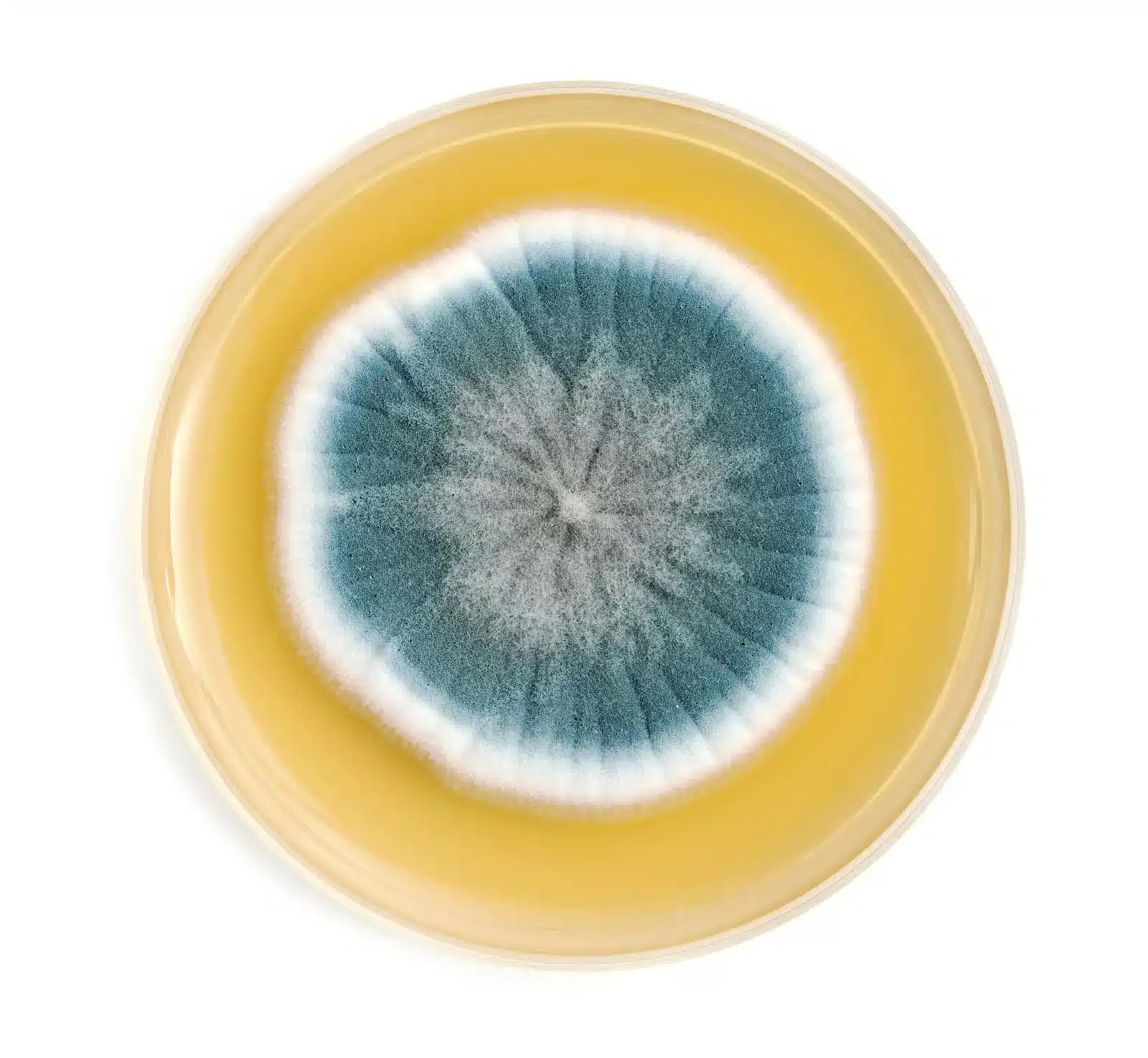
A mold allergy happens when the immune system begins to negatively react to mold spores that are in the air or fragments released from mold growth indoors. Unlike medication allergies, mold exposure is often not visible and on-going. This can cause long term issues if not addressed as soon as possible.
Mold commonly grows in:
- Bathrooms
- Kitchens
- Basements
- Crawl spaces
- Behind walls
- HVAC systems
- Areas with past or ongoing water damage
Mold Allergy Symptoms
- Chronic coughing
- Chronic sneezing
- Nasal congestion
- Sinus infections
- Eye irritation
- Asthma flare-ups
- Skin rashes
- Fatigue
- Headaches
- Brain fog
Symptoms may worsen the longer the exposure goes on.
Mold Allergy vs. Penicillin Allergy: Key Differences
Category
- Source
- Exposure
- Visibility
- Diagnosis
- Resolution
Penicillin Allergy
- Antibiotics
- Short-term ingestion
- Known medication
- Medical testing
- Avoid medication
Mold Allergy
- Indoor air
- Long-term inhalation
- Often hidden
- Environmental testing
- Identify & remove mold source
Why Mold Allergy Is Often Misdiagnosed
Many people with mold exposure are:
- Treated repeatedly with Amoxicillin or Augmentin
- Told they have seasonal allergies or asthma
- Prescribed medication without seeing any improvement
If symptoms often continue after antibiotics or return repeatedly, the cause can possibly be environmental not medical.
Why Doctors Cannot Identify Mold Sources
Physicians can diagnose allergies but they cannot determine if mold is present inside a building or home.
That requires:
- Professional mold inspection
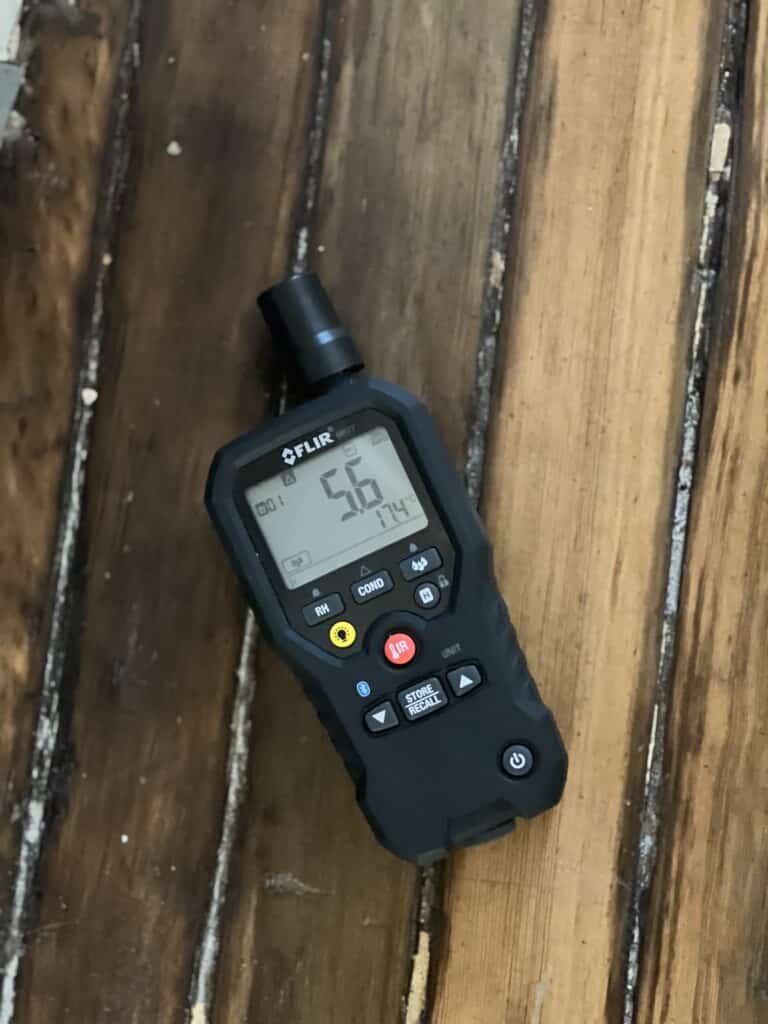
- Air sampling and laboratory analysis
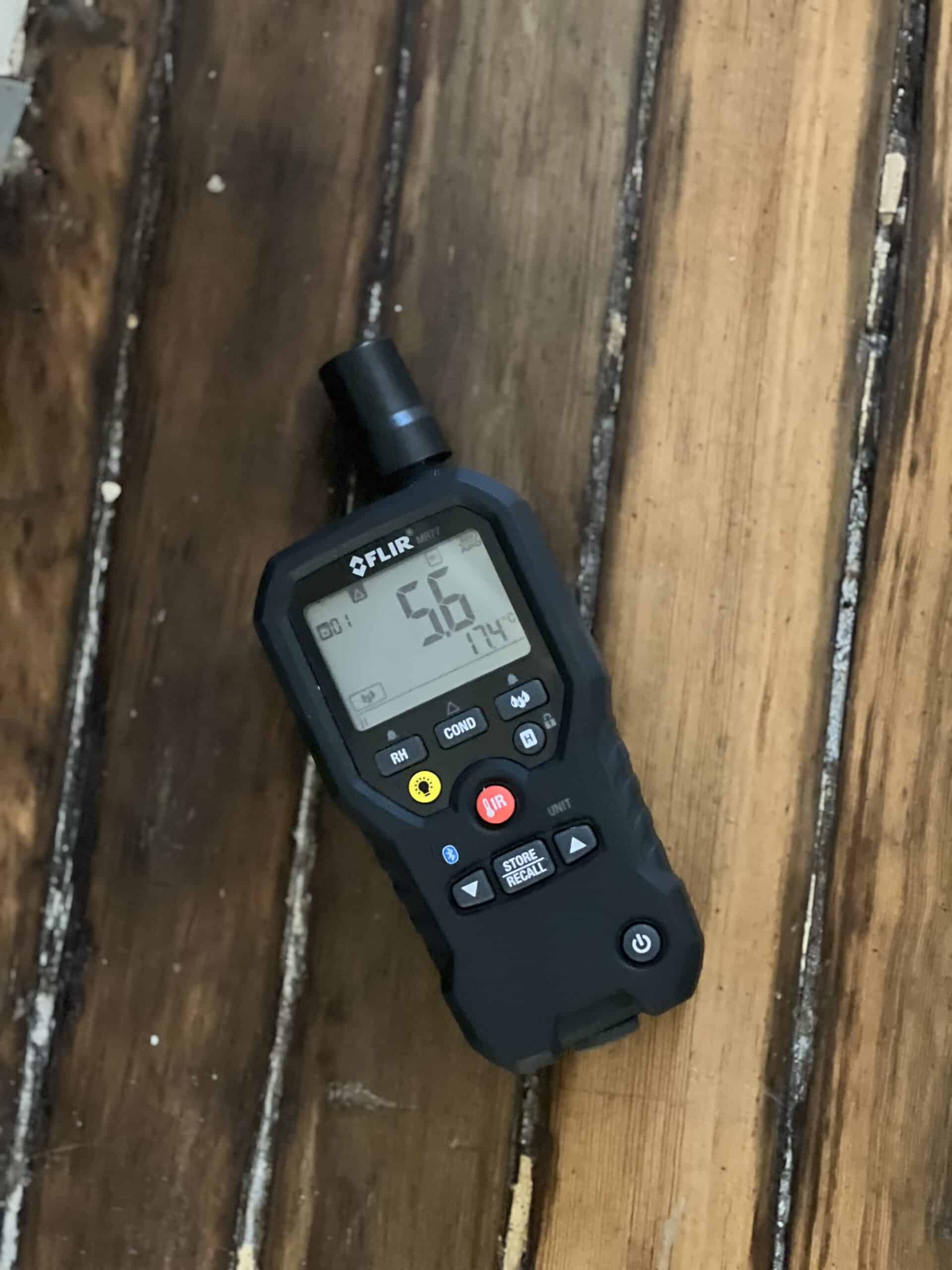
- Moisture intrusion detection
- Indoor Air Quality (IAQ) testing
Professional Mold Testing in Long Island & NYC
Quest Testing is a licensed and insured environmental testing company specializing in:
- Mold inspections & assessments
- Air sampling (spore analysis)
- Surface and bulk mold testing
- Moisture and leak detection
- Indoor Air Quality (IAQ) testing
- Accredited laboratory analysis
- Clear reports for tenants, landlords, attorneys, and health departments
Our testing helps identify whether mold exposure may be contributing to ongoing health issues.
When to Suspect Mold Instead of a Penicillin Allergy
Consider professional mold testing if:
- Symptoms continue after stopping antibiotics
- Symptoms improve when leaving the home or office
- Multiple occupants experience similar issues
- Musty odors are present
- There is current or past water damage
Frequently Asked Questions (FAQs)
Can mold exposure cause a medication-like allergy?
Yes. An allergy caused by mold can produce similar side effects associated with medication allergies. However, you are exposed to mold until the source of mold is eliminated. Medication allergy can be confirmed by halting your use of medication or by ensuring that there is no mold in your surroundings. In your residence or workplace.
Can mold exposure cause sinus infections?
Yes. Mold exposure is a common trigger for chronic sinus issues and recurring infections. It can appear like seasonal allergies also and it makes determining the source difficult without proper testing.
Can antibiotics treat mold exposure?
No. Antibiotics do not remove mold or improve any mold-related air quality issues. As long as mold is still present the symptoms will continue. The only way to treat is to have the ongoing mold issue remediated immediately.
Do I need mold testing if I don’t see mold?
Yes. Mold is frequently hidden behind walls, ceilings, and HVAC systems. It can be very difficult to see signs of mold so it’s important to test the air to ensure it is not hidden behind surfaces.
Final Thoughts
Penicillin allergies are serious but usually easy to manage once identified as the main issue. Mold allergies are often hidden, chronic, and directly tied to indoor air quality.
If symptoms persist despite medical treatment, testing the environment is essential to make sure the air you are breathing is safe and clean.
Schedule a Professional Mold Inspection TODAY
Quest Testing
Licensed • Insured • Professional
Call: +917-277-7580
Website: https://quest-testing.com
Serving Long Island & NYC