
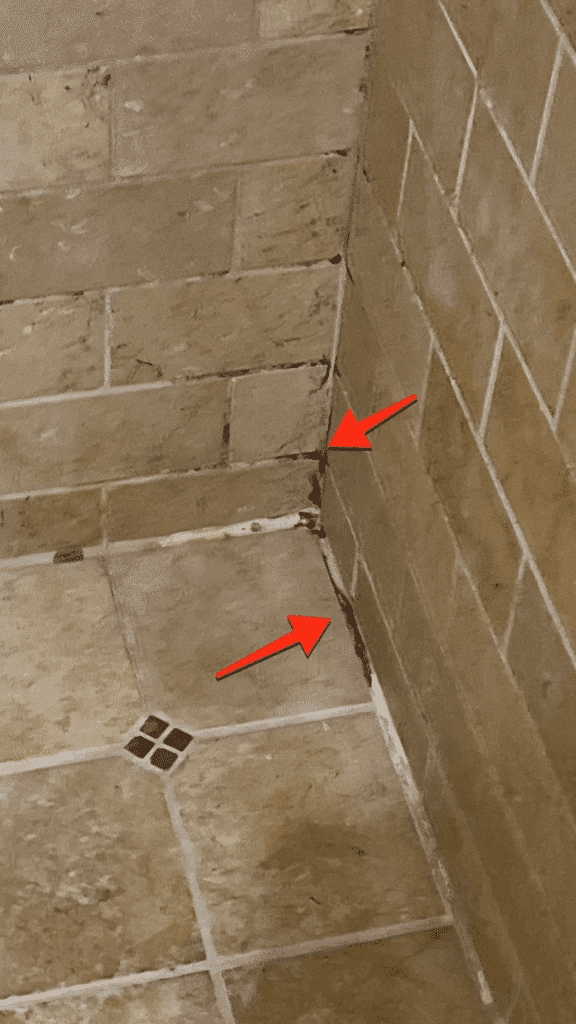
One of the most common but most missed causes of indoor mold growth is not having proper air flow. It might be a wet basement, an airtight room, or a subpar ventilated crawl space, but the fact remains that still air can hold moisture. Where moisture is present, mold and mildew are sure to arrive.
Our specialty here at Quest Testing is the identification and solution of indoor environmental problems, including mold that occurs due to excessive humidity and poor air circulation. In this article, we’ll be explaining why ventilation is so vital, how to improve it, and how to use a dehumidifier effectively to protect your home.
The Problem: Impeded Air Flow Promotes Mold
When air cannot move freely through a space, moisture is introduced by simple things like cooking in the kitchen, bathing in the bathroom, or even the outside environment just becoming trapped inside. Moisture settles on surfaces. Especially porous ones like drywall, carpeting, and wood, creating a perfect environment for:
- Mold and mildew growth
- Musty odors
- Structural damage
- Medical issues like allergies and respiratory problems
Closed rooms and basements are most vulnerable. These spaces generally have no windows, poor ventilation, and high humidity. Which is the ideal environment for mold to develop.
The Solution: Boost Air Flow & Control Humidity
1. Use a Dehumidifier
The best option to fight indoor moisture is a dehumidifier. It works by removing water vapor from the air, making the environment less viable for mold to grow.
Best settings:
- Keep humidity between 30%–50%
- The ideal range for preventing mold is around 40–45%
You can measure humidity with a digital hygrometer, a small and inexpensive device that measures indoor air humidity.
Quest Pro Tip: Run your dehumidifier continuously in areas prone to moisture like basements, especially during humid seasons.
2. Ventilate Your Home
Air must circulate to remain dry. Here are the ways in which you can encourage healthy indoor airflow:
- Install bathroom, kitchen, and laundry room exhaust fans
- Utilize floor or box fans in enclosed spaces or areas that are not heavily trafficked
- Leave interior doors open to enable air to pass between rooms
- Clear out HVAC vents and replace filters regularly
3. Declutter and Organize Storage Spaces
Basement, closet, or attic stored items may retain water and block air flow. Organize these areas by:
- Having storage raised off the ground
- Keeping containers away from walls
- Using plastic containers instead of cardboard
When You Need a Mold Inspection
If you notice:
- A persistent smell of mildew
- Discoloration of walls, ceilings, or floors
- Persistent humidity issues despite having a dehumidifier installed
…you need to find a professional.
At Quest Testing, we offer mold inspection services to help find hidden moisture sources, follow the path of mold growth, and provide recommendations for cleanup and prevention to ensure safety messures are taken.
Protect Your Home and Health
Good air flow and moisture control are basic elements of a clean and healthy environment. If you see or smell any signs of poor air quality or mold call Quest Testing to schedule your mold inspection and get professional advice on how to keep your indoor space clean, dry, and safe for everyone.