
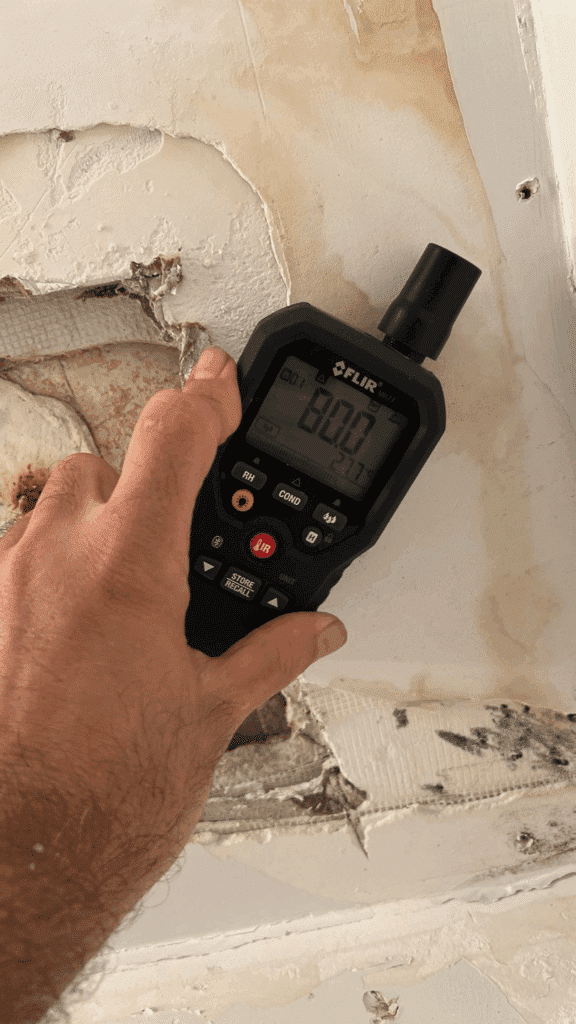
Painting Over Mold: A Dangerous Cover-Up That Puts Lives in Danger
It’s a common tale in most rental homes. Tenants might notice a musty smell lingering, or perhaps some discoloration on the walls,they mention to their landlord and then, almost like magic, it vanishes. A fresh coat of paint appears overnight. Problem solved. Unfortunately, this is not a solution. Painting over mold is a reckless and irresponsible shortcut that some landlords use to avoid addressing the root of the cause of the concern.
Why Painting Over Mold is So Dangerous
Mold isn’t just an ugly thing to look at. It’s a sign of moisture intrusion. Its likely there could be leaks, poor ventilation, or hidden water damage. Simply covering it up with paint does not address the issue or the contamination itself. The mold will continue to grow underneath the surface. It will most likely spreading to other parts of the home.
Once mold is painted, it can be even more difficult to spot or smell. That means residents of the building can continue to breathe in the mold spores without even knowing that it is happening. Over time, this can lead to a large range of health problems, in children, elderly, and anyone with respiratory conditions. Some people also have allergies to mold and do not know it.
Health Risks from Hidden Mold
Exposure over long periods of time to mold can lead to allery-like symptoms such as:
- Chronic coughing or wheezing
- Sinus congestion
- Frequent headaches
- Skin rashes
- Eye irritation
- Worsening of asthma symptoms
- Fatigue
- Difficulty concentrating
- Even depression in some cases
Specifically, black mold, also known as Stachybotrys, has been linked to several severe neurological and immune problems. While not all mold is considered to be toxic, any mold growth indoors should be taken very seriously and handled properly.
What This Means for Your Home
Mold doesn’t just affect people residing inside. It also damages the property itself. If it is left, it can rot drywall, destroy wood framing, and severely compromise the structural integrity of a building or house. Painting over mold traps the moisture inside walls, which speeds up the process of mold reproduction. So landlords who take shortcuts aren’t just risking your health; they’re also slowly destroying their own investment.
If the mold eventually reappears which it almost always does, now it’s worse, more widespread, and harder (and more expensive) to remediate.
Are There Any Laws to Protect Tenants?
Yes, there are laws to protect tenants. Though its different by state and city, tenants do in fact have rights to protect themselves.
In New York, landlords are legally required to keep habitable conditions in their properties, which includes addressing mold and/or moisture problems. Under the Housing Maintenance Code, mold that is visible or water leaks are considered violations. And under Local Law 55, landlords must inspect for indoor allergen hazards every year and take safe, cautioned steps to eliminate them.
Other states have similar “warranty of habitability” laws that require landlords to provide and maintain a safe and livable environment. In many cases, if they do not do this, tenants may be able to withhold rent, request repairs, or even break their lease without penalty. Do research about your states and city laws and regulations if you are having these issues.
But here’s the tricky part: paint helps hide the evidence. That’s why documentation is so important. Photos, maintenance requests, and even air quality or mold testing can go a long way in proving that a landlord neglected their duty in court.
What Can You Do if You Suspect a Cover-Up?
- Document everything. Take photos of damaged areas before and after painting. Keep records of communication with your landlord.
- Request an inspection. If you suspect mold, ask your landlord for an official inspection or hire an independent environmental testing service that can inspect for mold.
Know your rights. Check your local housing authority for specific regulations related to mold, and consider filing a complaint if needed.
Don’t ignore your health. If you or someone in your household starts experiencing symptoms, see a doctor and mention the possible mold exposure.
Final Thoughts
Painting over mold is more than just pure laziness. It’s an attempt to be deceptive and can endanger the health and well-being of people that reside within the property. Landlords have a legal and moral responsibility to maintain their properties, and tenants deserve to live in homes that are truly safe, not just appear safe.
If you’re a tenant that is dealing with this situation, don’t keep quiet. The law may be on your side, and your health is definitely worth fighting for.