Asbestos and Mold Testing in Long Island
Get your property tested for mold and asbestos before they become a health risk to occupants. Contact Quest Mold and Asbestos Testing and hire NYSDOL-certified experts now.
How Hidden Mold Is A Hazard to Your Health and Indoor Air Quality?
Mold is a fungus that grows in damp, humid, and unventilated environments. It releases airborne spores and toxins that can trigger severe allergic reactions and asthma attacks. Prolonged exposure may lead to chronic coughing, eye irritation, skin rashes, and neurological symptoms like headaches or fatigue.
In Long Island, which is already more humid than upstate or inland New York areas, mold growth is significantly higher in basements and crawl spaces. So, even if you notice early signs like musty odors or small mold spots, schedule an inspection right away. Our certified mold inspectors examine the mold source, collect air and surface samples, and deliver a detailed report on mold spore count throughout your property.
Schedule our services for mold testing in Long Island now if you care about your loved ones’ health.
Inspect Your Property for Mold and Asbestos Levels with Our Professional Services
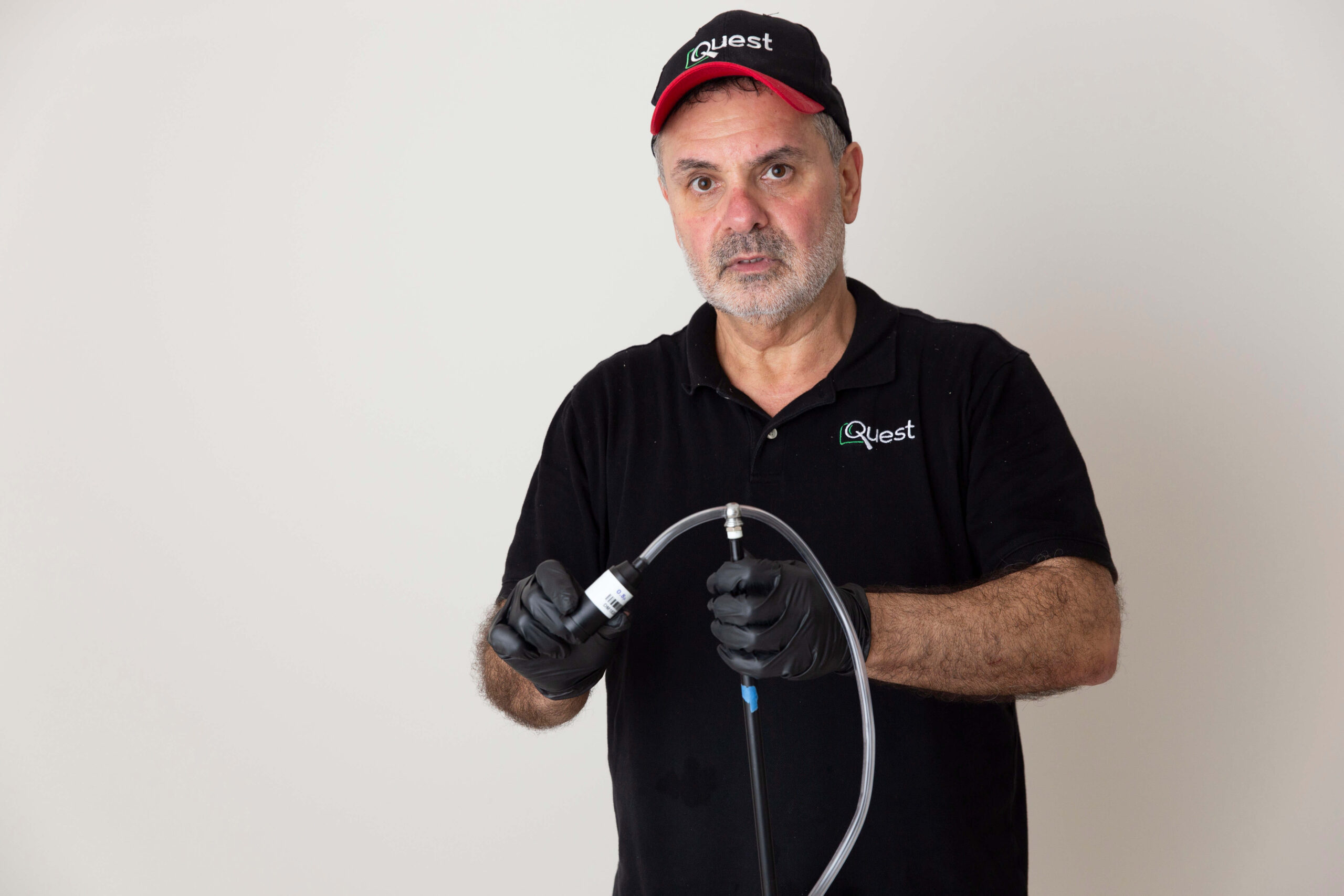
- Mold Inspection - Mold inspection identifies mold-affected areas in your property and determines the cause. Using calibrated moisture meters, borescopes, and infrared thermal cameras, we assess compromised areas and recommend solutions tailored to your property's specific conditions.
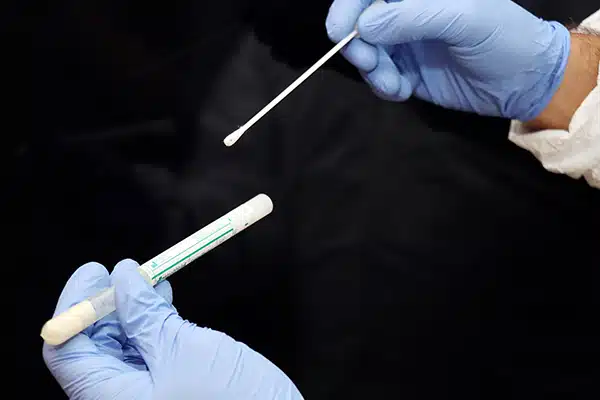
- Mold Testing - Mold testing determines airborne spore concentration and contamination extent. We collect spore trap air samples and tape-lift surface samples to confirm mold presence and evaluate indoor air quality. All samples are processed by AIHA-accredited laboratories for accurate results.
- Asbestos Inspection - An asbestos inspection identifies suspected asbestos-containing materials in homes, apartments, and commercial buildings. We assess their friability, condition, and risk level. The inspection determines whether bulk sampling or testing is required before any renovations, repairs, or demolition work.
- Asbestos Testing -Bulk material samples are collected per EPA 40 CFR Part 763 and submitted to certified laboratories for Polarized Light Microscopy analysis. A formal NVLAP-accredited laboratory certificate confirms asbestos presence, exact fiber type, and percentage composition within the tested material.
Make a call now, and our experienced and certified team will reach you anywhere for asbestos or mold testing in Long Island.
Do You Need a Mold Inspection or Mold Testing? Make a Decision After Reading This
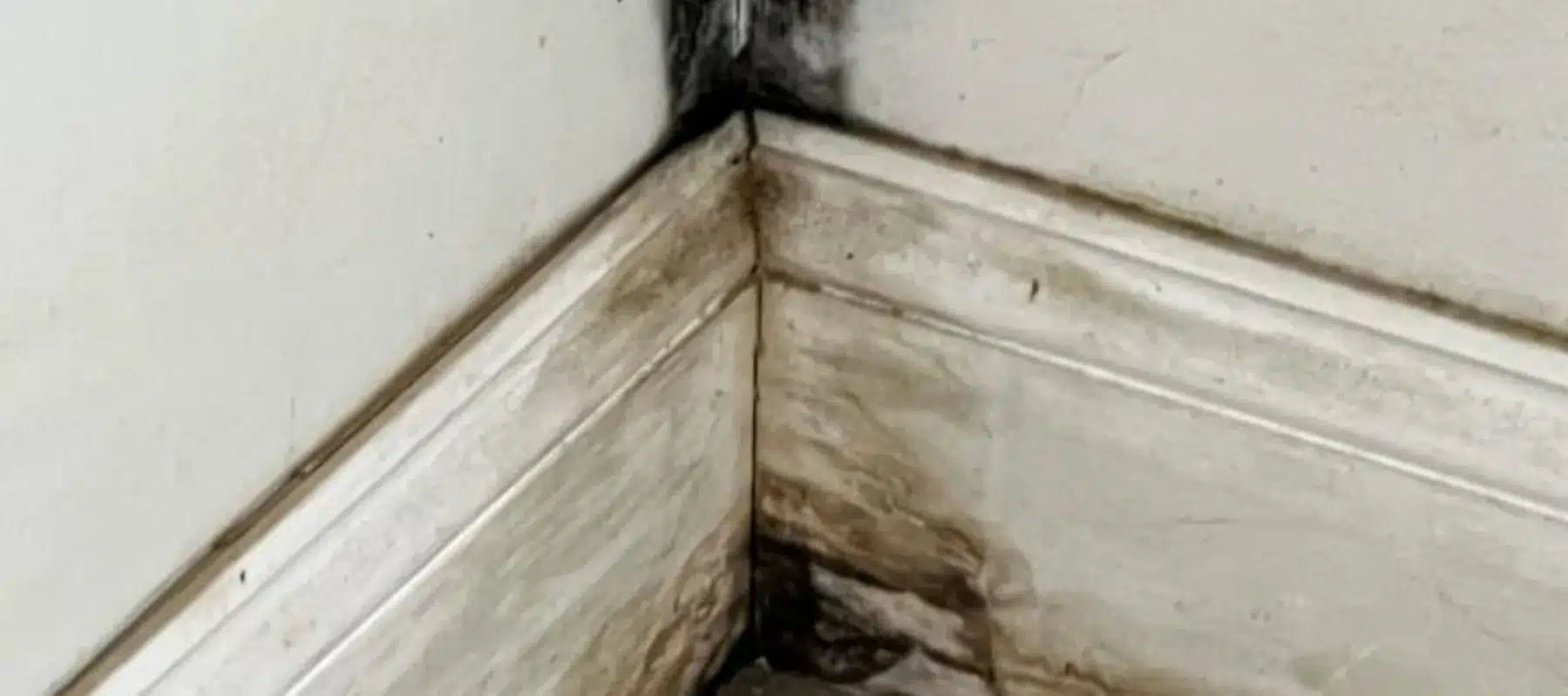
If you notice musty odors, water stains, or visible discoloration, mold inspection is the first step. Using moisture meters, borescopes, and infrared thermal cameras, mold inspectors trace hidden mold colonies and identify the root cause driving growth. Any mold remediation done without treating the growth source would be unnecessary.
Mold testing becomes especially valuable when occupants experience chronic respiratory symptoms or allergic reactions that are often caused by mold. Lab results identify which genus and species are present and at what spore concentration. It is also requested in real estate transactions, insurance claims, and post-remediation clearance testing, where a certified AIHA-accredited report serves as documented proof that indoor air quality meets acceptable safety standards.
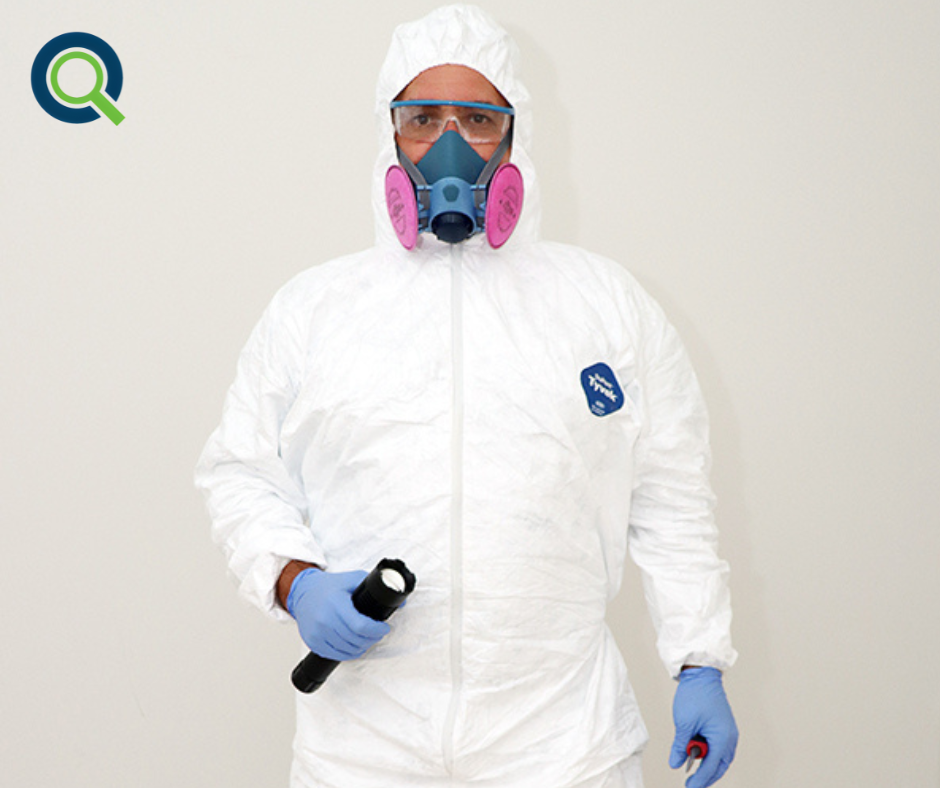
Hire our NYSDOL-certified professionals for inspection of the mold source, and once remediation is done, schedule mold testing.


Get an Asbestos Inspection Before Renovation in Long Island to Stay Compliant
If your property was built before 1980, asbestos-containing materials were very likely used in pipe insulation, vinyl floor tiles, textured ceiling coatings, and drywall compounds. These materials are harmless when undisturbed, but renovation, drilling, or demolition releases airborne fibers that lead to mesothelioma, asbestosis, and lung cancer.
That’s why, under EPA NESHAP guidelines, properties in Long Island with suspected asbestos-containing materials must be inspected by a NYSDOL-certified asbestos inspector before structural changes. And in Nassau County, asbestos abatement falls under the county’s Environmental Hazard Remediation regulations. Contractors you hire must hold an EHRP license, and technicians must hold an EHRT license to comply with local laws.
If you skip the inspection to save time, keep in mind that non-compliance always costs more in the end. Get the inspection done by Quest Mold and Asbestos Testing before the renovation or demolition of your property.
Areas We Serve in Long Island
Whether mold is growing in your own home or you manage an old commercial building that has asbestos-containing materials, our licensed inspectors are available to assess your property located anywhere in:
- Hempstead, Freeport, Uniondale, Levittown, Hicksville
- Syosset, Massapequa, Babylon, Bay Shore, Isli
- Brentwood, Central Islip, Patchogue, Ronkonkoma
- Hauppauge, Commack, Huntington, Amityville
- Lindenhurst, Farmingdale
If your area is not listed, reach out anyway. We serve all of Nassau and Suffolk Counties, so you can count on us wherever you are.
Things That Matter Before Choosing a Mold Testing Company
- Certifications and Licensing - The professional you hire should be a NYSDOL-certified mold consultant. In Long Island, unlicensed mold assessors are legally prohibited from conducting inspections.
- Sampling Methods They Use - Professional testing requires spore trap air sampling, tape-lift surface sampling, and bulk sampling where necessary. Companies offering only one sampling method cannot provide complete results.
- Laboratory Accreditation - Your samples must be analyzed by AIHA-accredited laboratories. Non-accredited labs produce results that hold no legal or insurance validity and cannot be used for post-remediation clearance documentation.
- Independent Testing - The company testing your property should have no financial relationship with any remediation contractor. Independent testing ensures your spore count results and laboratory reports are completely objective.
- Experience With Local Properties - Long Island's humid coastal climate creates specific mold patterns. An inspector familiar with local construction styles and moisture behavior will identify risks that an outsider might overlook.
Standards mentioned above separate a reliable inspector from an unreliable one, and we ensure all of them. Call now to schedule a mold testing or inspection appointment