In most cases, yes. A clearance test after mold remediation, also called post-remediation verification (PRV), provides objective proof that the mold was properly removed and the area is safe. It’s especially important for severe contamination, real estate sales, health concerns, or when you want documented evidence the job was done right.
Many property owners assume that once remediation is finished, the problem is solved. But the final step is often just as important as the cleanup. A professional mold inspection verifies the affected area has been properly cleaned and restored, and a clearance test confirms remediation goals have been met. Whether you need one depends on the severity of contamination, the type of property, and whether you want proof the environment is safe again.
Below, we break down when a clearance test is necessary and why it matters.
What Is a Clearance Test?
A clearance test is a post-remediation assessment performed after mold removal work has been completed. The purpose is to determine whether the affected area meets established cleanliness and environmental standards before it is reoccupied or reconstruction begins.
Industry guidance from the ANSI/IICRC S520 Standard for Professional Mold Remediation recognizes post-remediation verification as an important quality assurance step in the remediation process. The evaluation typically includes:
- Visual inspection
- Moisture assessment
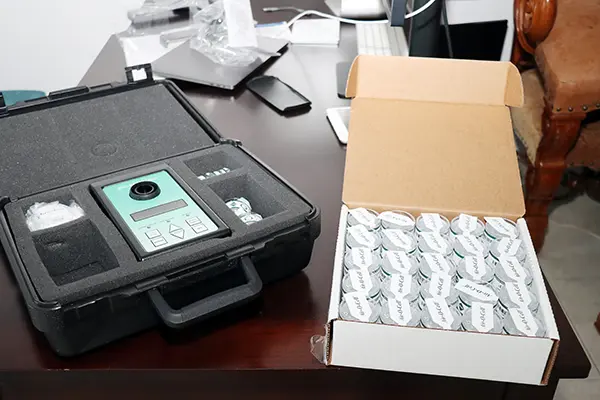
- Air sampling when appropriate
- Surface sampling when necessary
- Documentation of findings
According to industry standards, a successful clearance generally requires no visible mold growth, acceptable moisture levels, and indoor fungal conditions that are comparable to normal indoor environments.
When Do You Need a Mold Clearance Test?
A mold clearance test is recommended whenever you want documented proof that remediation worked. It’s especially important in these cases:
- Severe contamination: confirms large areas are fully cleared, not just visible spots
- Real estate sales: buyers and lenders often require proof the property is mold-free
- Health-sensitive occupants: matters for anyone with allergies, asthma, or weak immunity
- Rental or commercial properties: protects owners from liability
- Insurance or legal claims: provides the documentation you may need
- Recurring mold: verifies the moisture source was actually fixed
For small, isolated cleanups, formal testing may not be necessary. But when health, money, or documentation is at stake, a clearance test is worth it.
Why a Mold Inspection After Remediation Matters
Even when remediation appears successful, mold spores and hidden contamination can remain if work was incomplete or if moisture issues were not fully addressed.
A post-remediation mold inspection provides an independent evaluation of the completed work. This can help identify:
- Remaining mold contamination
- Excessive airborne spores
- Unresolved moisture sources
- Cross-contamination in nearby areas
- Areas requiring additional cleaning
Without verification, property owners may rely solely on visual appearances. Unfortunately, mold problems are not always visible to the naked eye.
Read More: Mold Testing vs Mold Inspection: What’s the Difference and Which Do You Actually Need?
When Is a Clearance Test Recommended?
Not every mold issue requires extensive testing. However, a clearance test is strongly recommended in several situations.
Large-Scale Mold Contamination
If the original contamination affected a significant area, verification testing helps confirm that remediation was successful throughout the impacted space.
Commercial Buildings
Schools, offices, healthcare facilities, and commercial properties often require documentation demonstrating that remediation standards were achieved.
Real Estate Transactions
Buyers and sellers frequently request evidence that previous mold problems have been professionally addressed.
Sensitive Occupants
Individuals with asthma, allergies, respiratory conditions, or compromised immune systems may benefit from additional confirmation that mold levels have been reduced to acceptable conditions.
Insurance or Legal Documentation
A clearance report can serve as supporting documentation for insurance claims, disputes, or property records.
What Happens During a Post-Remediation Mold Inspection?
A thorough post-remediation evaluation typically follows a structured process.
1. Visual Assessment
The inspector examines all remediated areas for signs of:
- Visible mold growth
- Dust and debris
- Water damage
- Incomplete material removal
- Construction deficiencies
Visual inspection remains one of the most important components of clearance verification. Industry standards emphasize that mold should not be visibly present after remediation.
2. Moisture Evaluation
Since moisture is the primary driver of mold growth, inspectors often use specialized equipment to measure moisture levels in building materials.
Common tools include:
- Moisture meters
- Thermal imaging cameras
- Hygrometers
Elevated moisture readings may indicate unresolved water intrusion issues.
3. Air Sampling
Air testing is commonly used when additional verification is needed.
Samples are collected inside the remediated area and compared with outdoor conditions. The goal is not necessarily to achieve zero spores, since mold spores naturally exist in the environment.
Instead, inspectors evaluate whether indoor fungal levels are consistent with normal environmental conditions.
4. Surface Sampling
In some cases, inspectors may collect swab or tape samples from surfaces to determine whether fungal growth remains.
This step is typically used when visual observations raise concerns or when project specifications require additional documentation.
Mold Inspection vs Clearance Testing
Many homeowners use these terms interchangeably, but they are not exactly the same.
| Service | Primary Purpose | Typical Components |
| Mold Inspection | Identify mold issues and moisture problems | Visual assessment, moisture detection, recommendations |
| Post-Remediation Inspection | Verify remediation quality | Visual review, moisture evaluation |
| Clearance Test | Confirm successful remediation | Inspection, sampling, documentation, verification report |
| Post-Remediation Verification (PRV) | Comprehensive final assessment | Inspection, testing, compliance review |
The most comprehensive option is a formal clearance test conducted by an independent inspector.
Should the Same Company Perform the Clearance Test?
Industry experts often recommend using an independent mold inspector who was not involved in the remediation work.
The reason is straightforward.
An independent evaluation reduces the potential for conflicts of interest and provides greater confidence in the results. Several professional guidelines distinguish between remediation activities and post-remediation verification performed by a third-party environmental professional.
For property owners, independent testing can add credibility to the final report.
What If a Property Fails Clearance Testing?
A failed clearance test does not necessarily mean the entire remediation project was unsuccessful.
Common reasons for failure include:
- Remaining mold contamination
- Inadequate cleaning
- Elevated airborne spores
- Excessive dust
- Moisture levels that remain too high
When deficiencies are identified, additional cleaning or corrective work may be required before retesting.
The benefit of testing is that these issues can be discovered before occupants return to the space or reconstruction begins.
Common Misconceptions About Mold Clearance Tests
Myth 1: No Visible Mold Means the Problem Is Gone
Mold can remain hidden behind walls, under flooring, or within HVAC systems. Visual cleanliness alone may not provide a complete picture.
Myth 2: Air Testing Always Guarantees Safety
Air sampling is one tool among many. Inspection findings, moisture conditions, and environmental context are equally important.
Myth 3: Every Mold Problem Requires Clearance Testing
Small, isolated mold issues may not always require extensive post-remediation testing. The need depends on project scope and client objectives.
Myth 4: Clearance Tests Measure Zero Mold
Mold spores naturally exist indoors and outdoors. Clearance testing evaluates whether conditions have returned to normal and acceptable levels rather than eliminating every spore.
Key Benefits of a Post-Remediation Mold Inspection
A professional mold inspection after remediation offers several advantages:
- Verifies remediation effectiveness
- Identifies unresolved moisture concerns
- Provides objective documentation
- Supports property transactions
- Increases confidence before re-occupancy
- Helps prevent recurring mold issues
For many homeowners, the cost of verification is small compared to the expense of recurring mold contamination.
Read More: What Are the Signs That a Home Might Need Asbestos Testing?
Frequently Asked Questions
How soon should a clearance test be performed after remediation?
Most inspections are conducted after remediation work is complete and before reconstruction or re-occupancy occurs.
Can mold come back after passing a clearance test?
Yes. If a new moisture problem develops, mold can return even after successful remediation. Addressing water intrusion remains essential.
Is air sampling always required?
No. The need for air sampling depends on project scope, contamination severity, and inspection objectives.
How long does a clearance inspection take?
Most residential evaluations can be completed within a few hours, although larger commercial projects may require more extensive testing.
Why Property Owners Trust Quest Testing for Reliable Post-Remediation Verification
After mold remediation, confidence comes from verification, not assumptions. A professional mold inspection determines whether remediation goals have been met and whether indoor conditions are safe for normal occupancy.
As independent, certified mold inspectors, Quest Mold and Asbestos Inspections and Testing provides objective post-remediation assessments backed by thorough documentation. Because we never perform remediation ourselves, there’s no conflict of interest – our only job is to test and report what we find, honestly. That independence is exactly why homeowners, property managers, and real estate professionals rely on us for unbiased results they can trust.