
Mold Is NOT always visible right away. The majority of homeowners and property managers do not realize that they have a mold problem until they begin to detect unexplained damp odors, allergies, or discoloration on the ceiling or walls. Even worse, hidden mold can travel very quickly inside your home whether it’s through your walls, insulation, or ceiling material before being capable of viewing it.
Quest Environmental Testing has the experience to locate and detect hidden and toxic mold. With the help of specialized equipment such as infrared scanners, moisture meters, and air pump testing equipment
1. Indications That You Might Have Hidden Mold
Recurring Musty Odor: A pungent, damp smell is one of the first warning indications.
Allergy-Like Symptoms: Sneezing, congestion, or headaches that improve when you leave the property tend to suggest indoor mold exposure.
Discoloration or Paint Damage: Yellow discoloration, cracking, or bubbling on ceilings or walls may be a result of moisture trapped behind the surface.
History of Leaks or Flooding: Even a small roof drip or plumbing leak is sufficient to support mold growth in 24–48 hours.
If you do detect any of these conditions, professional testing will confirm whether there is concealed mold.
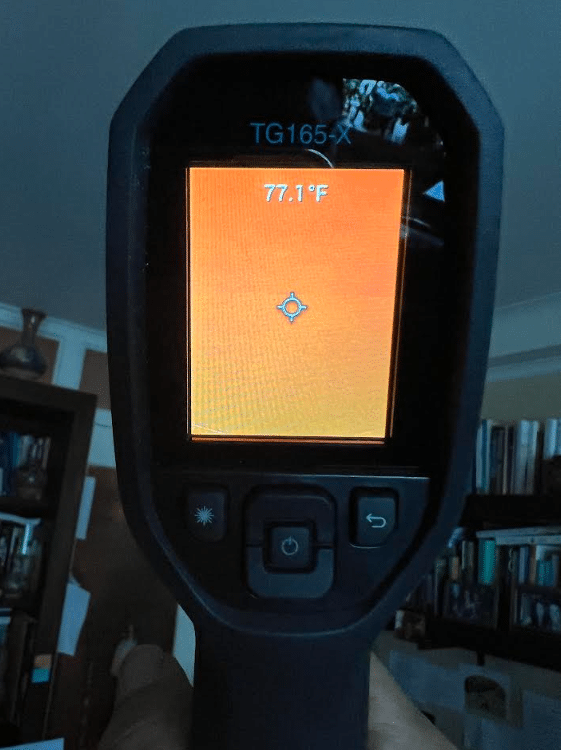
2. Using Infrared Scanning to Locate Moisture
Infrared thermography allows our inspectors to see temperature differences behind walls and ceilings invisible to the naked eye. The cooler spots are apt to suggest moisture intrusion—the first indication of potential mold growth. This non-destructive instrument allows our inspectors to pinpoint the very areas of wall or ceiling that will need further testing or opening.
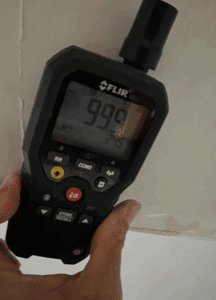
3. Moisture Detection Readings
We utilize electronic moisture meters to test the true moisture levels of building materials like drywall, wood, and plaster. Any readings above standard levels verify dampness and give useful information to ascertain the reason—whether it’s a roof leak, pipe problem, or condensation. Using these readings alongside infrared scanning provides a full picture of the environment behind your walls.
4. Air Testing with Professional Equipment
Even if mold is hidden, it is often possible for mold spores to become airborne. We employ calibrated air pump equipment to collect air samples throughout the facility, even i
n such areas as ceiling voids or wall cavities. The air samples are taken to an accredited environmental laboratory to be analyzed to identify types of mold and quantities of mold. If elevated quantities of or toxic molds (e.g., Chaetomium or Stachybotrys) are identified, we draw up a special remediation plan for your facility.
5. Why Professional Testing Is Necessary
Do-it-yourself test kits cannot identify hidden contamination and do not correctly identify mold species. Professional inspection ensures that you not only determine the presence of mold but also what it is and how big it is. At Quest Environmental Testing, our goal is to help you find hidden problems safely, precisely, and compliant with New York State and EPA guidelines.